
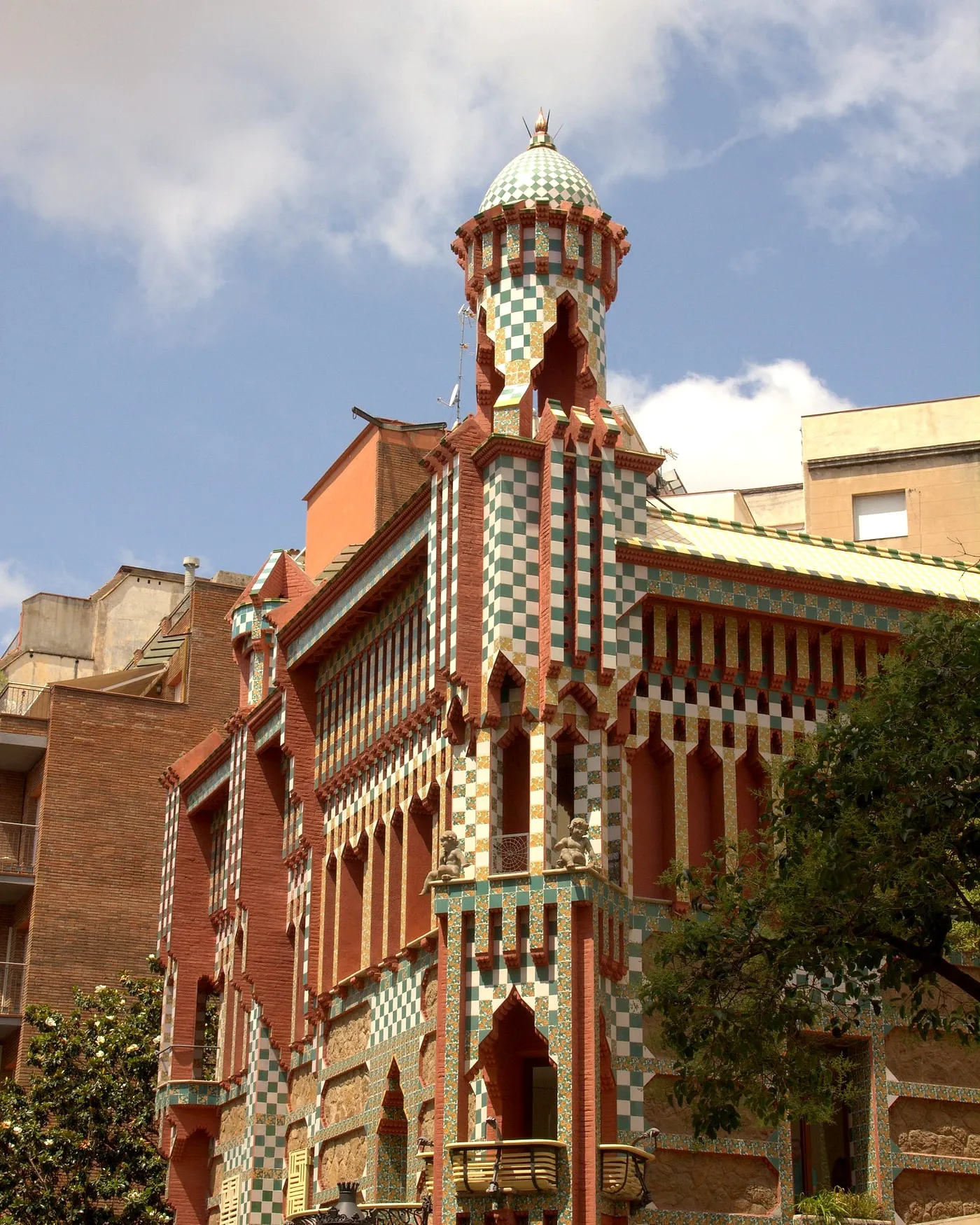
Gràcia: the town that rang the bell
A bell, a bombardment, and a vermouth at the end of it.
- How long it lasts
- 3 h
- Runs in
- EN · ES
- Price
- 36 €
Never more than 10 people
Walking tours led by an actor
On 4 April 1870 the bell of the clock tower in Plaça de la Vila rang the alarm, Gràcia rose against military conscription, and the army shelled the tower from Montjuïc. The bell cracked and kept ringing. We take ten people to the foot of that tower and tell it standing under it.
Ten people. Not thirty.
How it works
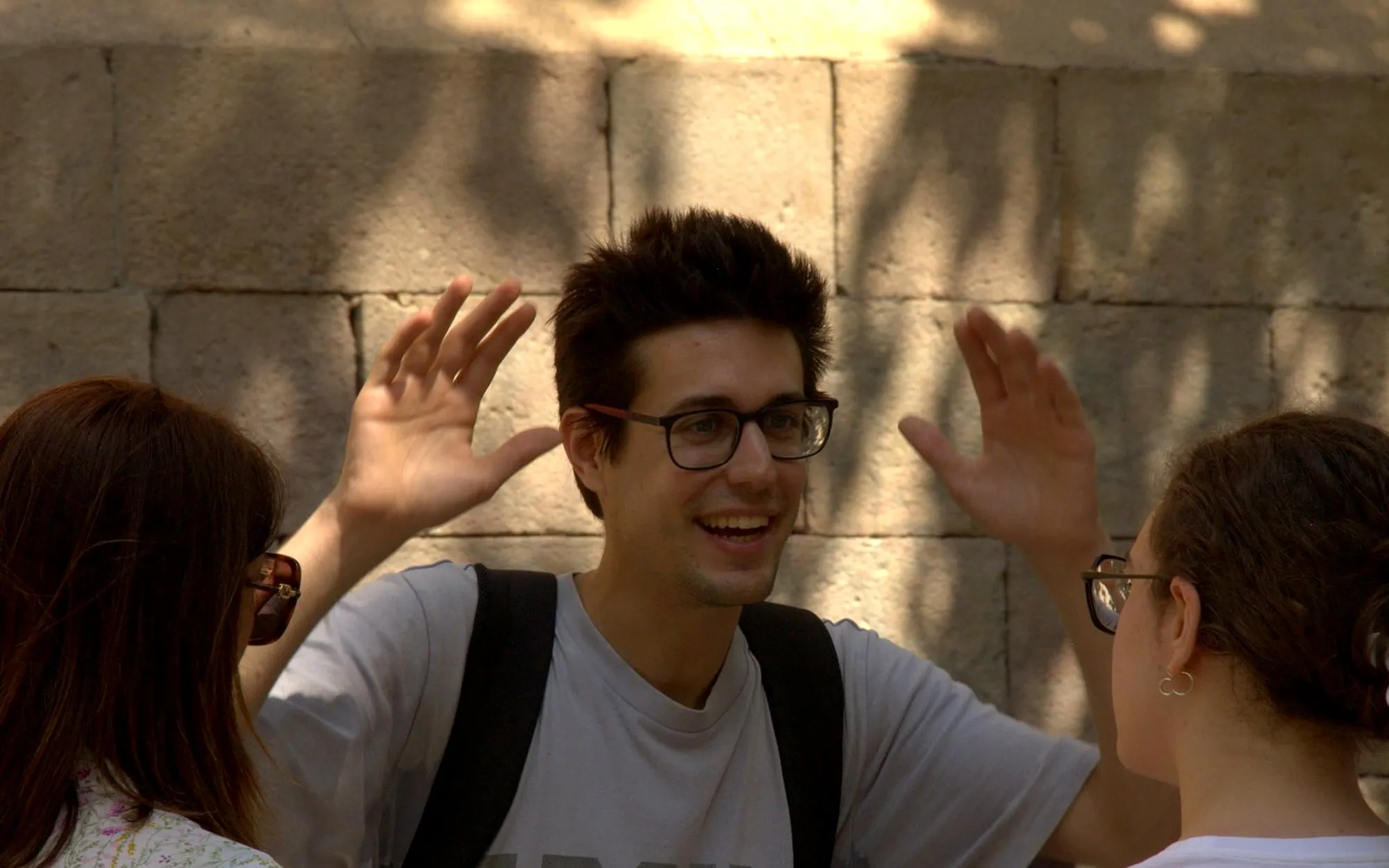
David Magaña is an actor with a Barcelona theatre company, and these tours are his. Four of the five are guided walks, in the ordinary sense of the word — no costume, no character. What the training changes is the telling: nobody stands in front of you reading dates off a clipboard, and you get an argument rather than a list.
The fifth one is different, and it is the only one we will call theatrical: on the Gaudí tour at the Sagrada Família he does not talk about Gaudí, he turns up as him and stays there for ninety minutes. There is a written, rehearsed text behind it, fifteen people at most, and no microphone.
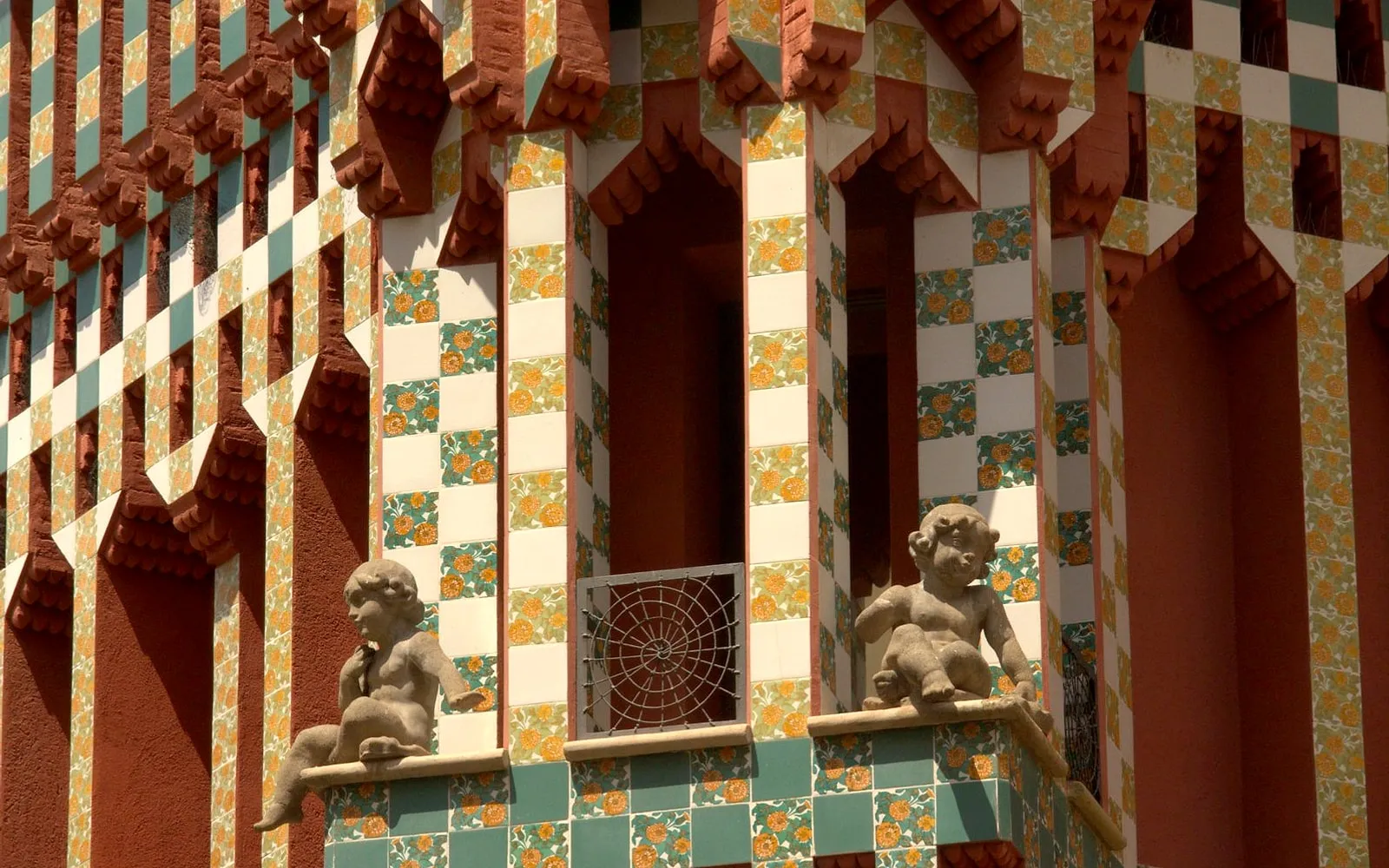
The history underneath is real and checkable — the bell, the bombardment, the annexation of 1897, the tile manufacturer who hired an unknown 31-year-old called Gaudí.
The bill
A bell, a bombardment, and a vermouth at the end of it.
Never more than 10 people
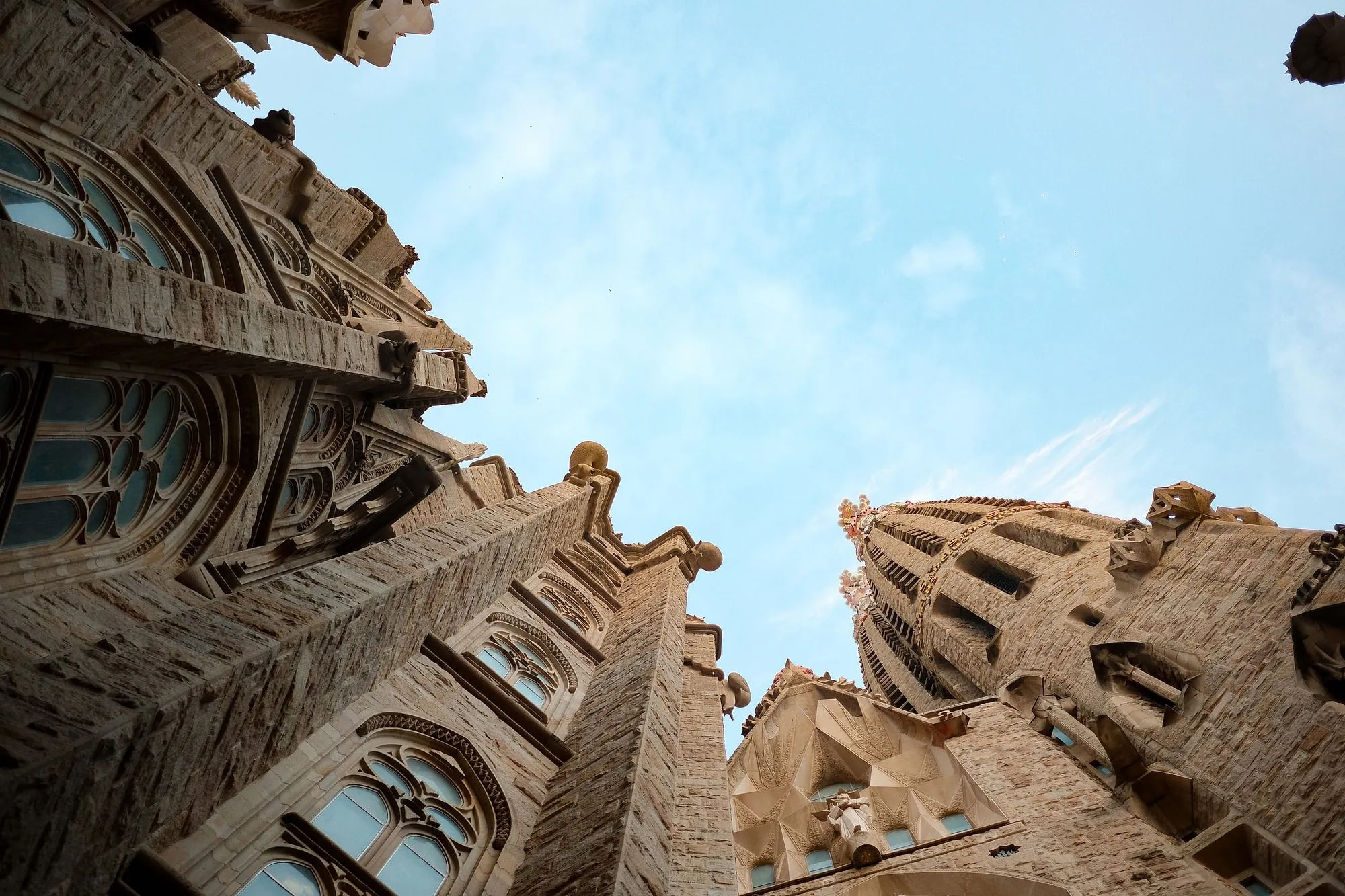
You will recognise the guide because he will be Antoni Gaudí.
Never more than 15 people
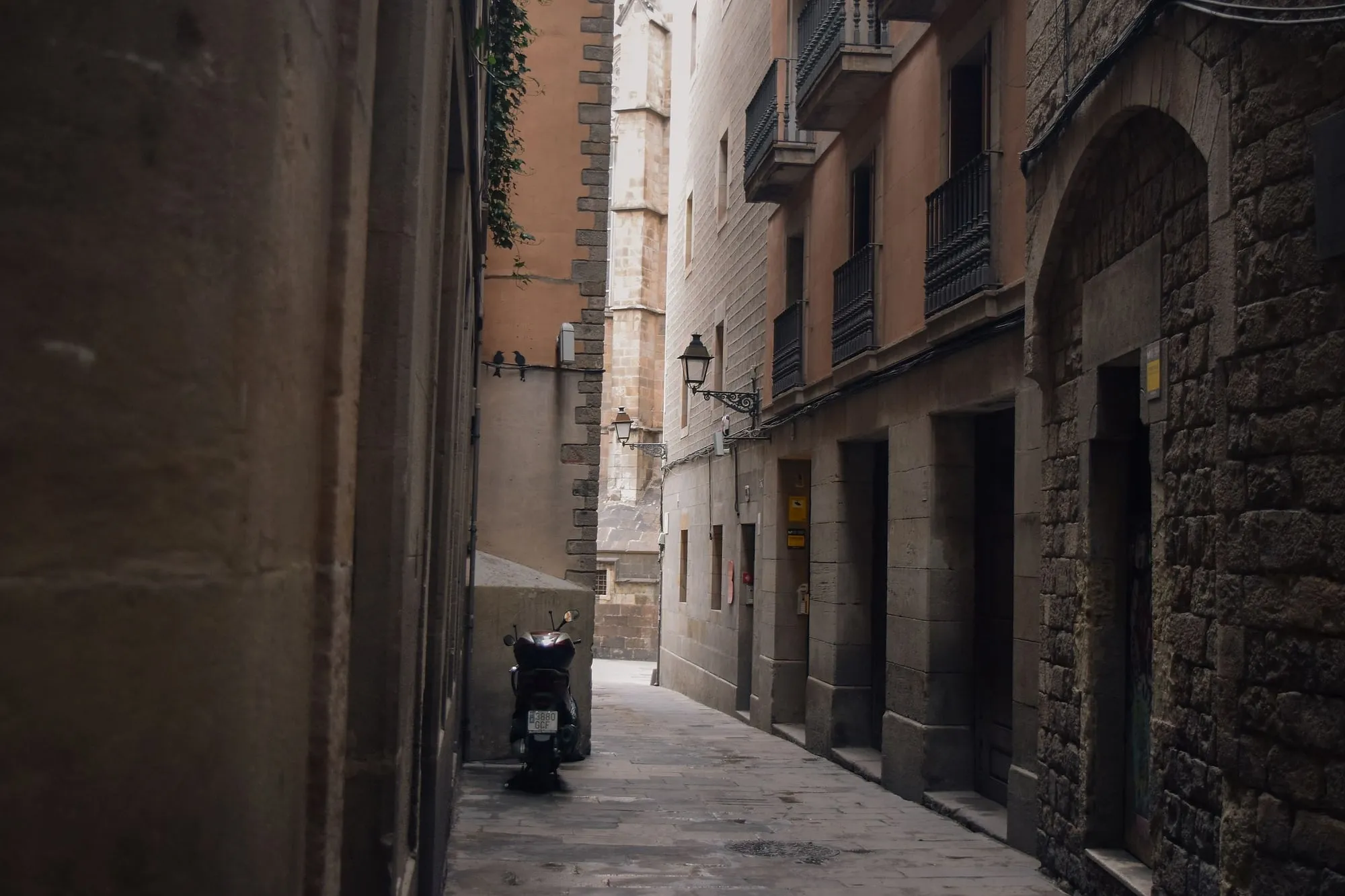
Barcelona's most photographed bridge dates from 1928.
Never more than 20 people
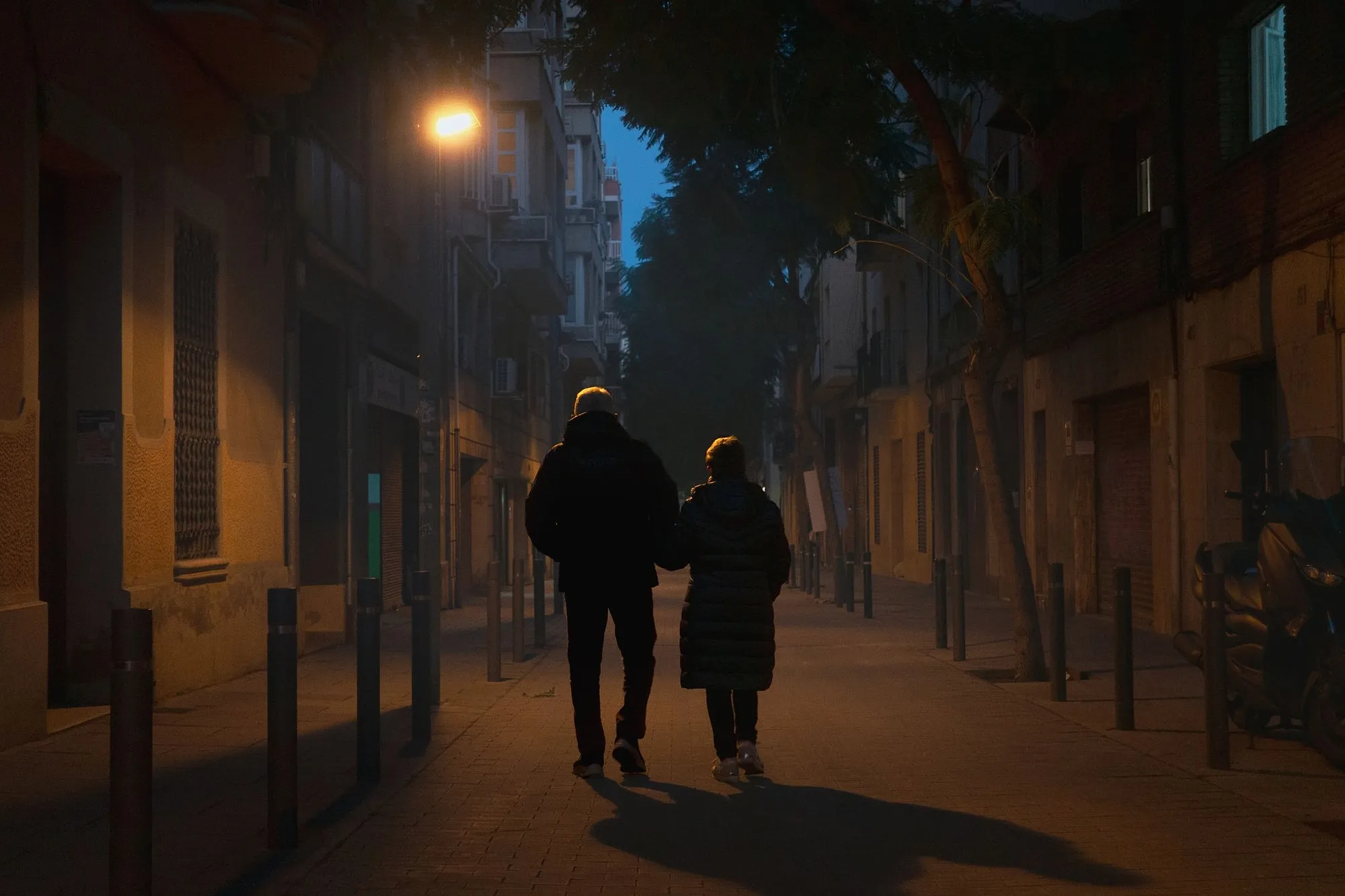
By day it is a crowded stage set. By night it is a narrow city.
Never more than 20 people
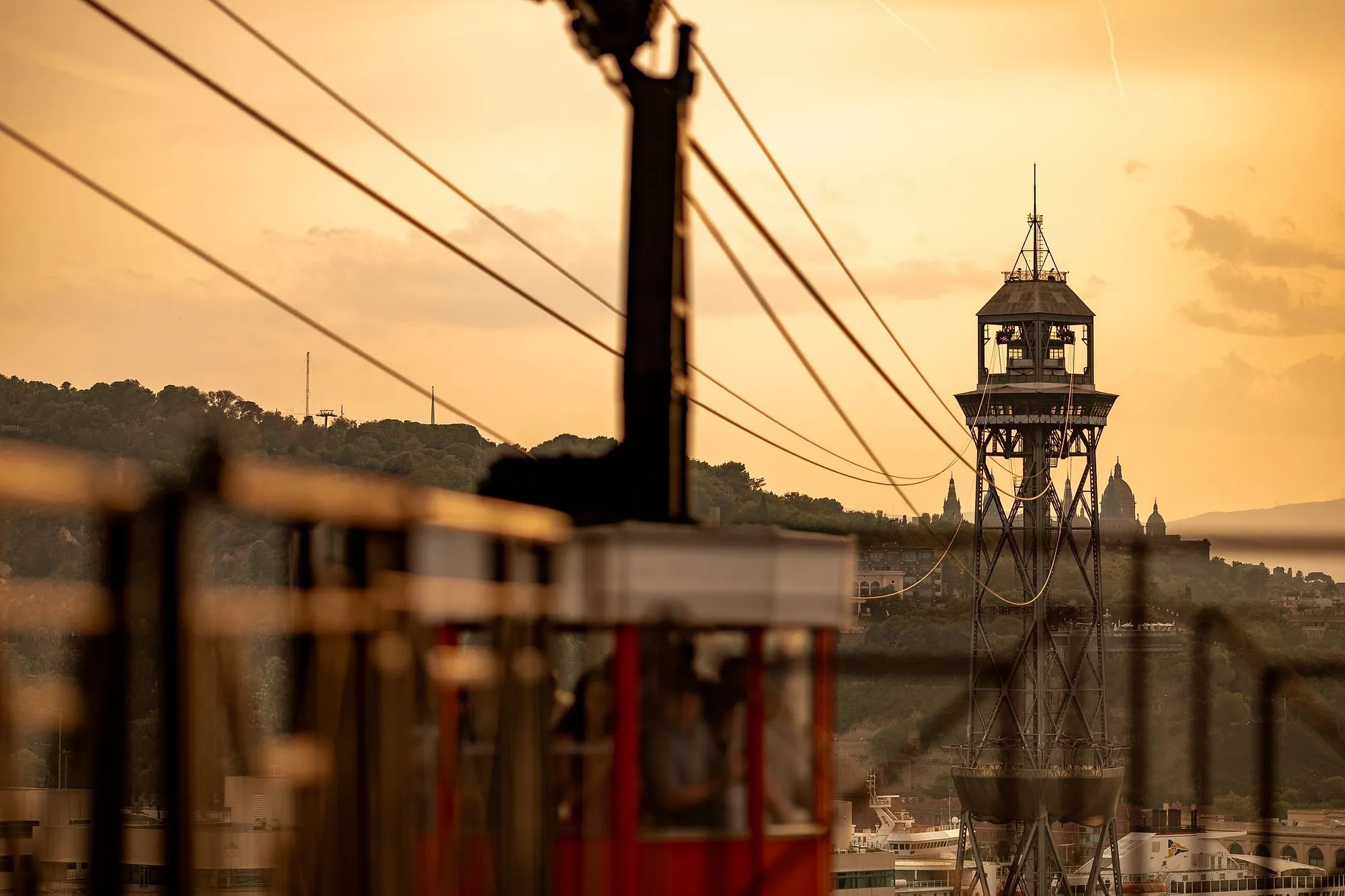
Nobody agrees where the name comes from. That is where it starts.
Never more than 20 people
A private tour for up to twenty people: one price, your date, your language. It works for a birthday, a team, a school, or a family that has all flown in. Tell us who is coming and we will build the afternoon around it.
Ask about a private tourBefore you come
Whether Casa Vicens is worth the ticket, whether your afternoon is Gràcia or the Gothic Quarter, and how to tell one walking tour from another before you pay. Six we would hand you first; the rest are next door.
The plan below fits in a day. It fits because four of the things people put in a one-day Barcelona itinerary have been taken out of it, and this page says which four and why.
Short answer: worth it if you have more than two days and you care about Gaudí rather than about the famous silhouettes. If you have one day, skip it without guilt.
Half a day, yes. A whole day only if you like sitting down. And if this is your one day in Barcelona, skip it — there are things here you have not seen yet that are not negotiable.
Free tours are a legitimate way to see Barcelona, and often a good one. We sell paid tours, so that goes first.
Two hours, no ticket, and the oldest streets in the city. The reason people come away disappointed is almost never the neighbourhood. It is the hour they chose.
Just over half of Barcelona's visitors get up here, and most of them see about a fifth of it. The hill does not fail people. Schedules do.
The reviews
Exceptional! David, probably the best tour guide in Barcelona, walked us through most of the fascinating history of the village of Gracia, while pointing out wonderful architectural details and interesting and fun cultural facts and traditions. One of the best walking tours we have done.
We loved the Gràcia walking tour. Aldo, our guide, was excellent and gave us a real insight into the history of Gràcia and the culture of the area. As we stayed in the neighbourhood for a few nights it was great to understand the area and its people, and how it differs from Barcelona in many ways.
We've enjoyed our tour with David and highly recommend it! The tour helped us view Barcelona with fresh eyes, from a local, Catalan perspective. David shared lots of interesting stories and showed us some hidden gems.
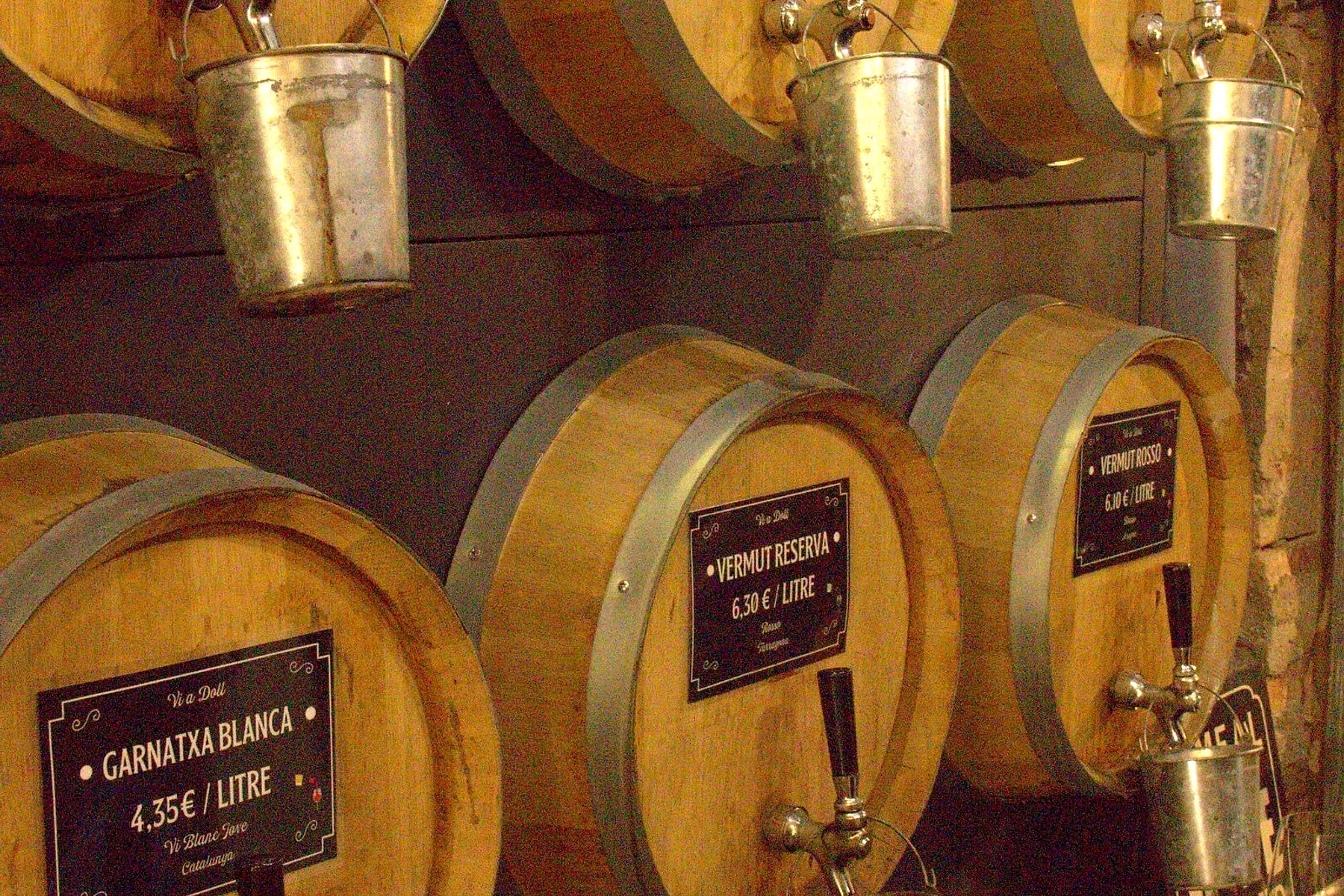
Drawn from the barrel, at a long table, with the argument still going. Included in the price.
Book a place