
Gràcia
Gràcia has five festes majors, and the city's page for one of them gives two different months
Everyone knows the one in August. The district has four more, spread from June to September, and each is named after something that stopped existing.
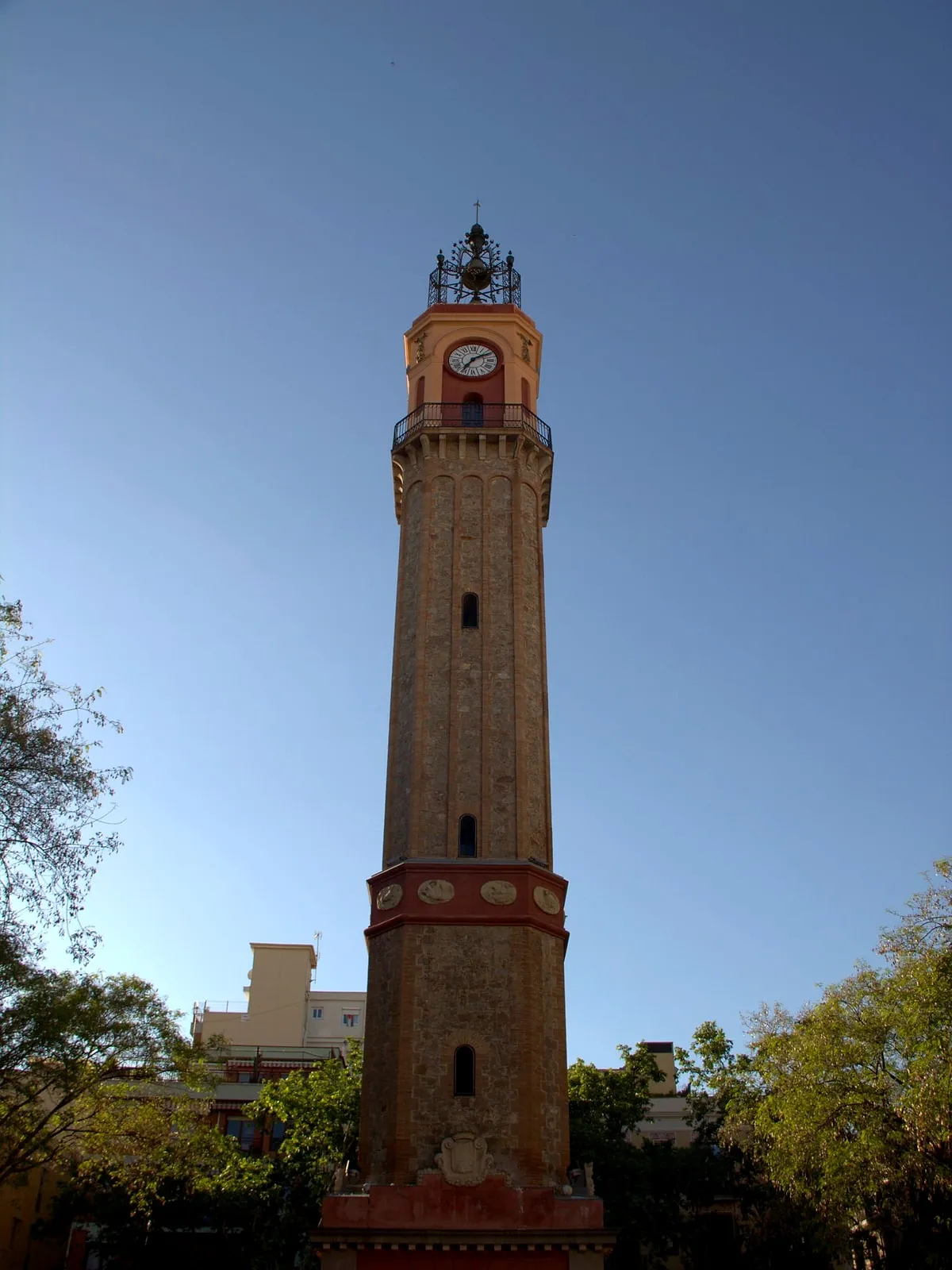
If you know one thing about Gràcia’s calendar, it is the streets decorated in August. It is one of the best street festivals in Europe and it has become, for visitors, the whole of what Gràcia does.
The district has five festes majors. The August one is a fifth of the story, and the other four are in June, July and September.
The five
Camp d’en Grassot i Gràcia Nova — end of June and beginning of July. A week of it, organised by residents’ associations, traders and social and educational bodies, with much of it around the Centre Cívic la Sedeta. The popular-culture side is a correfoc — run on the first Friday by la Diabòlica de Gràcia — a giants’ procession and a stick-dance display. It opens, after the pregó, with havaneres, burnt rum and coca, which is the most Catalan sentence in this article.
El Coll — first fortnight of June, since a rethink in 2015. Or the second fortnight of September. See below.
Gràcia — August. The famous one, where streets compete on decoration and the neighbourhood argues every year about what it has become.
La Salut — first fortnight of September, feast day 8 September. Street meals, children’s activities, tournaments, music, dancing, film screenings; school giants, sardanes and fireworks.
Vallcarca i els Penitents — first fortnight of September, four days over a weekend, ending on the Onze de Setembre. Centred on the squares of the old core, such as plaça de la Farigola, with havaneres sung on the Sunday afternoon in the little square on avinguda de Vallcarca.
The page that gives two different months
Under its dates heading, the Ajuntament’s page for the Festa major del Coll says:
Second fortnight of September in the neighbourhood of el Coll, district of Gràcia
and, immediately below it, on the same page:
Dates: first fortnight of June
The body text then sides with June: since 2015, el Coll has reformulated its festa major, which is celebrated during the first fortnight of June.
The obvious reading is that the September line is the old date left standing after the change, and that is very likely right. But the page does not say so, and we do not publish reconciliations we invented. We have made that exact mistake before, on this site, more than once.
So: check before you go, and know that the June date is the one the page’s own prose defends.
Each of them is named after something that no longer exists
This is the pattern, and it is worth the walk.
La Salut takes its name from a chapel dedicated to the Mare de Déu de la Salut, built there in 1864. The chapel was attached to the old Casa Morera, and the Ajuntament adds, in passing, that the house no longer exists. The chapel was consecrated and opened to public worship in 1864; the area started being called la Salut; and when a new parish was built nearby, the patronage moved with the name. A district neighbourhood is named after a chapel of a house that is gone.
El Coll takes its name from the hill, which takes its name from an eleventh-century Romanesque church of the Mare de Déu del Coll — also known as la Font-rúbia — a mountain sanctuary at a crossroads between the towns of Gràcia and Horta. The Ajuntament says the area was a hunting ground for feudal lords first and a hiding place for bandits later, and stayed thinly populated until the urban fever of the 1960s took hold of this very steep terrain.
Vallcarca is enclosed in a valley between the hills of the Putget and el Coll. It belonged to the municipality of Horta, not to Gràcia, and had country houses and manors that today have disappeared. And the sentence that explains the whole neighbourhood:
Until the viaduct that bridges the drop was built and the road across the valley was opened, it was a fairly isolated territory.
Els Penitents is further north, divided by the Ronda de Dalt — a neighbourhood cut in two by a ring road.
And Gràcia Nova is a marketing name. The Ajuntament says it flatly: the area is the neighbourhood of Ca l’Alegre de Dalt, called Gràcia Nova for commercial reasons.
We have quoted a lot of municipal prose on this site and that is one of the very few times an institution has written down that a place name is a rebrand. Somebody decided that the name of the district next door would sell better, and the city’s cultural pages simply record it.
What this changes
Gràcia is five neighbourhoods and three of them used to belong to Horta — that is the administrative version of the same fact. The festivals are the lived version, and they are more convincing: five separate communities, five separate dates, five separate patron saints or chapels or hills, and only one of them on the tourist calendar.
It also puts the August festival in proportion. The Festa Major de Gràcia is the one that outgrew its neighbourhood. The other four are what a festa major looks like when it has not.
And they are not the only ones: the district also has Sant Medir on 3 March, which deliberately falls on a working day, and a Mallorcan bonfire festival at the end of January that the city says the neighbours now feel as their own.
How to use it
If you are here in June, July or September, look up whether one of the four is on. They are small, free, mostly in squares, and nobody is running them for you — which is the whole appeal.
Go to the neighbourhood, not to the centre. La Salut is uphill, around Park Güell. El Coll is steeper still. Vallcarca is down in its valley under the viaduct. Camp d’en Grassot is flat and on the Eixample side. Getting to Gràcia is easy and getting around it is not, and these four are the parts of the district that visitors never reach.
And do not expect the August version. No decorated streets, no queues, no lists in guidebooks. Street meals, a bouncy castle, a stick dance and a lot of chairs.
Where this sits on a walk
The old town of Gràcia — the squares, the market, the streets that are the width they are for a reason — is only the middle of the district. The four other festes majors are the edges.
Our Gràcia walk runs daily, morning and evening, in a group of no more than ten. We are closed on 25 December and 1 January.
Where this comes from
- Festa major de la SalutAjuntament de Barcelona · Cultura PopularThat it is held in the «primera quinzena de setembre al barri de la Salut, districte de Gràcia», with the feast day on 8 September; that «el barri de la Salut deu el nom a la capella que el 1864 s'hi construí, dedicada a aquesta Mare de Déu»; that the chapel was attached to the old Casa Morera, «que avui dia ja no existeix», was consecrated and opened to public worship in 1864, and that the patronage passed to the new parish built nearby; and that one of the neighbourhood's most distinctive elements is Park Güell, «declarat Patrimoni de la Humanitat per la UNESCO el 1984».
- Festa major del CollAjuntament de Barcelona · Cultura PopularThat the same page states both «Segona quinzena de setembre al barri del Coll, districte de Gràcia» and, immediately below, «Dates: Primera quinzena de juny»; that the body text says «des del 2015, el Coll ha reformulat la seva festa major, que se celebra al llarg de la primera quinzena de juny»; that the neighbourhood takes its name from the hill, «que prové de l'església romànica del segle XI dedicada a la Mare de Déu del Coll»; that the area was «zona de caça dels senyors feudals, primer, i amagatall de bandolers, més tard», thinly populated until the second half of the twentieth century; and that the hermitage, «coneguda també per la Font-rúbia», dates from the eleventh century and was «un santuari de muntanya situat en un encreuament de camins entre les viles de Gràcia i Horta», falling into decline in the eighteenth and nineteenth centuries.
- Festa Major de Vallcarca i els PenitentsAjuntament de Barcelona · Cultura PopularThat it runs in the «primera quinzena de setembre als barris de Vallcarca i els Penitents, districte de Gràcia», lasts four days over a weekend and ends on the Onze de Setembre; that Vallcarca «es troba enclavat en una vall entre els turons del Putget i del Coll», once belonged to the municipality of Horta and had country houses and manors now gone; that «fins que no s'hi va construir el viaducte que salva el desnivell i no es va obrir la carretera que travessa la vall, era un territori força aïllat»; that els Penitents lies further north, divided by the Ronda de Dalt; and that activities centre on the squares of the old core, «com ara la plaça de la Farigola».
- Festa Major del Camp d'en Grassot i de Gràcia NovaAjuntament de Barcelona · Cultura PopularThat it is held at the «final de juny i principi de juliol»; that the Camp d'en Grassot area «primer va ser rural i després industrial» and that the neighbouring area is «el veïnat de Ca l'Alegre de Dalt, anomenat Gràcia Nova per raons comercials»; that both began to be urbanised from the second half of the twentieth century; that the festival is organised by residents' associations, traders and social and educational bodies, with many activities around the Centre Cívic la Sedeta; and that popular culture is represented by the correfoc — organised on the first Friday by la Diabòlica de Gràcia — the giants' procession and the stick-dance display, with havaneres and burnt rum after the reading of the pregó.
- Sant MedirAjuntament de Barcelona · Cultura PopularThat Sant Medir, on 3 March, is «una de les més arrelades a la vila de Gràcia» — a further Gràcia festival outside the five festes majors, alongside the Foguerons de Sant Antoni in January.
Everything above that carries a date, a figure or a name is checked against these before it is published. Where we could not find a source, the page says so.
Quick answers
- How many festes majors does Gràcia have?
- Five, one per neighbourhood of the district: Gràcia itself, la Salut, el Coll, Vallcarca i els Penitents, and Camp d'en Grassot i Gràcia Nova. The Ajuntament's cultural pages list all five under the Gràcia district.
- When are they?
- Spread across the summer. Camp d'en Grassot i Gràcia Nova at the end of June and beginning of July; Gràcia itself in August; la Salut and Vallcarca i els Penitents in the first fortnight of September; and el Coll — see the next answer.
- Why is the date for el Coll confusing?
- Because the municipal page gives two. Under its dates heading it says «Segona quinzena de setembre al barri del Coll» and then, immediately below, «Dates: Primera quinzena de juny». The body text then says that «des del 2015, el Coll ha reformulat la seva festa major, que se celebra al llarg de la primera quinzena de juny». The most likely reading is that the September date is the old one left standing — but the page does not say so, and we are not going to smooth it.
- What is the origin of the Festa Major de la Salut?
- A chapel. The Ajuntament says «el barri de la Salut deu el nom a la capella que el 1864 s'hi construí, dedicada a aquesta Mare de Déu», patron of a small chapel attached to the old Casa Morera, «que avui dia ja no existeix». The chapel was consecrated in 1864, the area took its name from it, and when a new parish was built nearby it kept the same patronage.
- And el Coll?
- An eleventh-century church. The neighbourhood is on the hill of the same name, «que prové de l'església romànica del segle XI dedicada a la Mare de Déu del Coll». The Ajuntament adds that the area was a hunting ground for feudal lords and later a hiding place for bandits, and that the hermitage — also known as la Font-rúbia — stood at a crossroads between the towns of Gràcia and Horta.
- Why is Vallcarca called that, and why was it isolated?
- It sits in a valley between the Putget and el Coll hills. The Ajuntament says it once belonged to the municipality of Horta and was thinly populated, with country houses and manors now gone, and that «fins que no s'hi va construir el viaducte que salva el desnivell i no es va obrir la carretera que travessa la vall, era un territori força aïllat».
- What is Gràcia Nova?
- A commercial rebranding. The Ajuntament says the area is «el veïnat de Ca l'Alegre de Dalt, anomenat Gràcia Nova per raons comercials» — the neighbourhood of Ca l'Alegre de Dalt, called Gràcia Nova for commercial reasons. It is a rare case of an institution saying plainly that a place name is marketing.
The tours this piece is about
More in the journal
Gràcia
- Vermouth in Gràcia: how to find it, how it is served, and why we won't give you a list
- Festa Major de Gràcia: instructions, from someone who has to walk through it
- A baker in Gràcia made a promise in 1828, and the neighbourhood has been throwing sweets at itself ever since
- Gràcia imported a Mallorcan bonfire festival and the neighbourhood now treats it as its own
- Is Gràcia a good place to stay in Barcelona?
- A day in Gràcia, by the clock rather than by the map