
Gothic Quarter
The number everyone quotes about this roof is not published by anyone who would have to stand behind it
Five minutes from the cathedral, free, almost never on an itinerary. The roof is the reason people come; the reason to stay is what the roof is standing on.
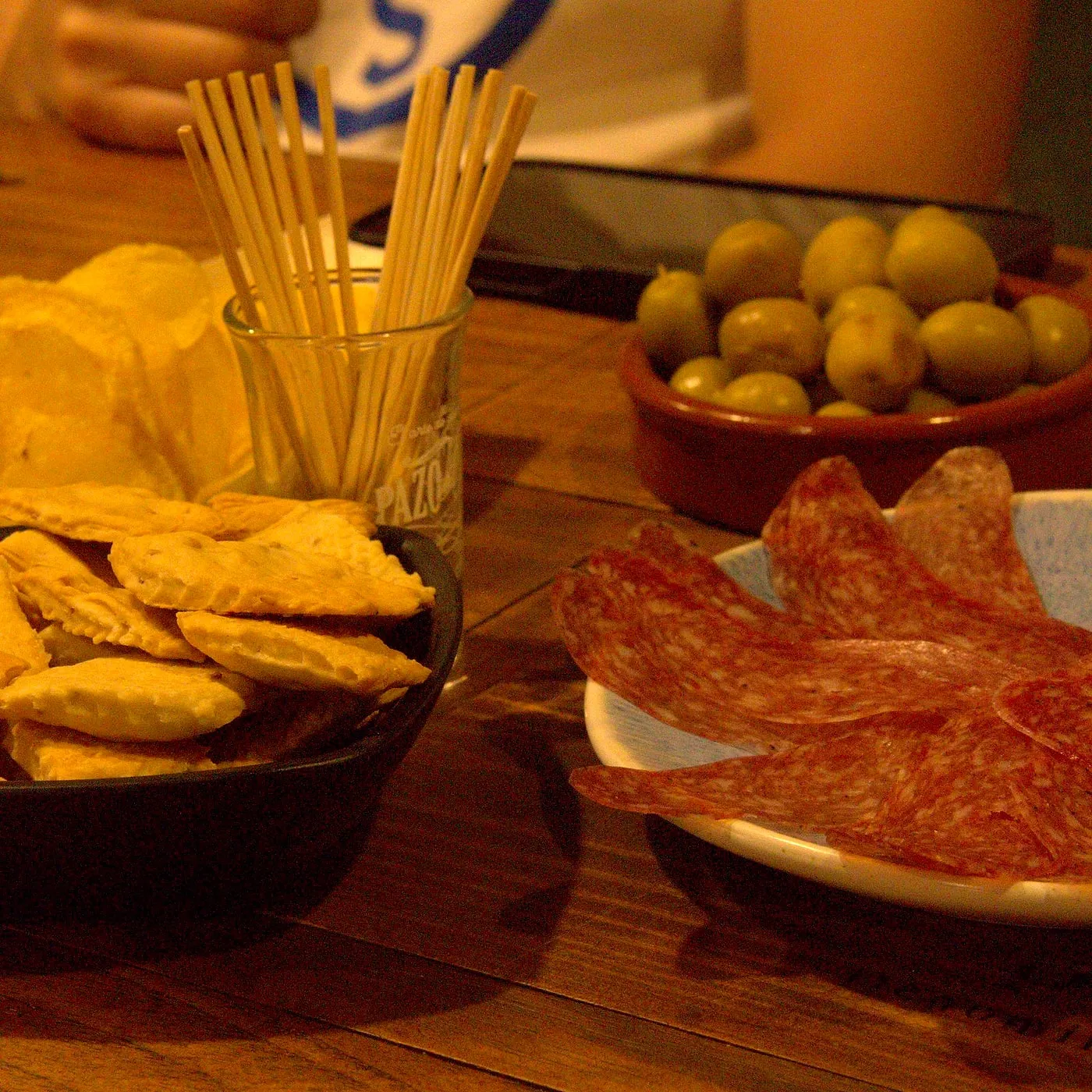
Five minutes north of the cathedral, on the far side of Via Laietana, there is a market with a roof that looks like a wave made of confetti.
It is the most photographed piece of twenty-first-century architecture in the old city, it is free to walk into, and almost nobody who goes for the roof walks to the back of the building — which is where the reason for all of it is.
The number we are not going to print
Start with the thing everybody says. The roof is made of 325,000 ceramic pieces in 67 colours.
We went looking for that, and here is where it lives. The 325,000 appears on mercatsantacaterina.com, a site that presents itself as the market’s official web. Its own legal notice identifies the owner as A.A.C. Mercat Santa Caterina — the traders’ association, a private body. It is not the Institut Municipal de Mercats, which is the city’s markets institute and the actual public authority for this building. The city links to it, which is how the figure travels.
The 67 colours we could not find published anywhere at all, including on that site.
What an institution does publish is the area. The Generalitat’s heritage record: the roof is externally coberta per un mosaic ceràmic de 4.200 metres quadrats amb els colors de les fruites i les verdures.
Four thousand two hundred square metres of ceramic, in the colours of fruit and vegetables. That is a real number with a heritage file behind it, and it is a better sentence than the one it replaces.
What the roof actually is
Enric Miralles and Benedetta Tagliabue, EMBT. The architects’ register dates the reform 1997–2005. Miralles died in 2000, five years before it opened.
The Generalitat’s description is worth having in your head while you look up: undulating lines that en alguns punts arriben a ser arcs parabòlics, carried on a wooden truss, lined in wood on the inside and in ceramic on the outside.
That is the part people miss from the street. From outside it is a coloured wave; from underneath it is timber, and it feels like a hall rather than a shed.
Opening date: the Generalitat says 10 May 2005. The Ajuntament, marking the tenth anniversary, called Saturday 9 May the official day. A one-day gap between two public bodies about a ribbon cutting, which is roughly the level of precision this city manages on its own recent history.
The first covered market, and a small quarrel about it
The market before this one was built for a specific social purpose. The Generalitat’s file says the plot was granted to the Ajuntament, which decided to build a market per afavorir el subministrament de queviures als sectors populars de la ciutat — to improve the food supply to the city’s working districts. The architects were Josep Mas i Vila and Josep Buxareu.
It opened in 1848, and — per the Generalitat and per the city’s own markets institute — it va ser el primer mercat cobert de la ciutat. The first covered market in Barcelona.
The MUHBA, describing the same building, calls it el segon mercat de Barcelona — the second market. Without the word covered.
The two are reconcilable: second in order of founding, after the Boqueria on La Rambla, and first to be roofed. But as written they are two different claims from two municipal sources, so if you use “the first covered market”, the citation is the markets institute or the Generalitat, not the museum.
A footnote for anyone who read our piece on the squares: Josep Mas i Vila is the same architect who built the neoclassical front of the city hall on Plaça de Sant Jaume — the man who, in 1852, also tried to have the Gothic façade round the corner demolished. He had a very busy decade in this neighbourhood, and not all of it was constructive.
The convent underneath
The name is not decorative. Before the market there was the Dominican convent of Santa Caterina, raised in the thirteenth century, and the MUHBA adds the detail that makes it matter: it was the primera seu del Consell de Cent, the first seat of the council that governed Barcelona.
The museum says it was demolished in 1835, malgrat la seva indiscutible vàlua artística — despite its indisputable artistic value — and calls it un dels convents gòtics més importants de la ciutat. The Generalitat says the land was occupied by the convent fins el 1837.
Two years apart, and neither file uses the word disentailment. The 1835 date sits exactly where you would expect it to in the history of the Spanish disentailments, and the churches of Barcelona were burned that July. But the heritage records give a date and a transfer of the plot to the council, not a legal category, and we are not going to supply one they did not write.
Something similar happened on La Rambla, thirteen years earlier and for the same reason, which is why there is a market where a convent was there too.
And four thousand years, at the back
Here is the part that justifies the detour.
The Miralles reform, says the MUHBA, va permetre fer importants excavacions arqueològiques a la zona. And what came up went far past the convent: remains that es remunten gairebé 4000 anys enrere, a l’edat del Bronze.
The new market keeps a space where that is explained, at the rear, with the remains of the convent left visible under interpretive panels. The Generalitat’s file confirms it: a reserved area where the old convent is exposed, with panels installed by the city history museum.
Santa Caterina joined the MUHBA’s network in 2007 — one of the eighteen buildings that make up the city history museum, and one of the free ones.
So the sequence under one roof is: Bronze Age, a Gothic convent that housed the city’s first parliament, an 1848 market built to feed the poor, and a ceramic wave from 2005. In a building most people photograph from the outside and leave.
Going
We are not printing hours — they belong to the market and they move.
Come for a weekday morning, not a lunchtime. It is a working market with a neighbourhood using it, which is exactly what the Boqueria has largely stopped being.
Walk to the back. Past the stalls, to the archaeological space. It takes four minutes and it is free, and it is the only place in this neighbourhood where you can see a convent, a market and the Bronze Age stacked in one view.
Look up from inside before you look at it from outside. The timber is the surprise.
It sits in a part of Ciutat Vella most itineraries skip — the streets of Sant Pere, Santa Caterina i la Ribera, on the far side of Via Laietana, which is also where the Casa dels Entremesos keeps the city’s giants and five minutes from the 1714 excavation under the old Born market. Between those three you have an afternoon that almost no visitor to Barcelona has.
Our Gothic Quarter walk stays on the cathedral side, told by an actor rather than recited, so this is deliberately a page about somewhere we do not take you — which seems the honest way to recommend it. The walkable order for the part we do cover is what to see in the Gothic Quarter.
The other municipal market everyone visits is the Boqueria, which has three times as many stalls and a written rule about how much of it is allowed to be a snack bar.
Where this comes from
- Mercat de Santa CaterinaGeneralitat de Catalunya · Inventari del Patrimoni ArquitectònicThat the market was built on land occupied by the Dominican convent of Santa Caterina «fins el 1837», the plot being granted to the Ajuntament, which decided to build a market to supply the city's working districts; that the work was commissioned to the architects Josep Mas i Vila and Josep Buxareu and that «és va inaugurar al 1848 i va ser el primer mercat cobert de la ciutat»; that the twenty-first-century roof takes undulating lines that in places become parabolic arches, is held by a wooden truss, and is externally «coberta per un mosaic ceràmic de 4.200 metres quadrats amb els colors de les fruites i les verdures»; that the reform was carried out by EMBT and opened on 10 May 2005; and that at the rear a space was reserved where the remains of the old convent are left visible with panels installed by the city history museum.
- Santa Caterina — els espais del museuMuseu d'Història de BarcelonaThat in the thirteenth century the Dominican convent of Santa Caterina was raised here, «primera seu del Consell de Cent» of the city; that «l'any 1835 va ser enderrocat» and became «el segon mercat de Barcelona»; that the reform of the market, «culminada l'any 2005», permitted important archaeological excavations; that remains were found going back «gairebé 4000 anys enrere, a l'edat del Bronze»; and that the new market incorporates a space explaining the history of the site, which held «un dels convents gòtics més importants de la ciutat».
- Reforma i rehabilitació de l'antic Mercat de Santa CaterinaCol·legi d'Arquitectes de Catalunya · arquitecturacatalana.catThat the reform is dated 1997–2005 and its authors are Miralles Tagliabue (EMBT), Enric Miralles i Moya and Benedetta Tagliabue.
- Mercat de Santa CaterinaInstitut Municipal de Mercats de BarcelonaThat the market, turned into a new icon of the city by the Miralles and Tagliabue remodelling, «va ser el primer cobert de la ciutat» and takes its name from the old Dominican convent that stood on the same spot.
- 80 anys d'història, cap a un museu de la ciutadaniaMuseu d'Història de BarcelonaThat the museum's network incorporated the Refugi 307 in 2003, Santa Caterina in 2007 and MUHBA El Call in 2008.
- Desè aniversari de la remodelació del mercat de Santa CaterinaAjuntament de Barcelona · Servei de PremsaThat «el dissabte 9 de maig és el dia oficial» of the tenth anniversary of the remodelling — against the Generalitat's date of 10 May 2005 for the opening.
- Josep Mas i VilaGran Enciclopèdia CatalanaThat Josep Mas i Vila made the new Casa de la Ciutat in 1831, having demolished the porch, the church and part of the cloister of Sant Jaume, and finished its façade in 1850; and that his neoclassicism was much disputed.
Everything above that carries a date, a figure or a name is checked against these before it is published. Where we could not find a source, the page says so.
Quick answers
- How many ceramic pieces are in the Santa Caterina roof?
- No institution publishes a number. The figure you will see everywhere — 325,000 — comes from the website of the traders' association, whose own legal notice identifies the owner as A.A.C. Mercat Santa Caterina, a private body and not the city's markets institute. What the Generalitat's heritage record does publish is the area: «un mosaic ceràmic de 4.200 metres quadrats amb els colors de les fruites i les verdures». We use the square metres.
- Who designed the market roof?
- Enric Miralles and Benedetta Tagliabue, EMBT. The architects' register dates the reform 1997–2005. The Generalitat's file describes undulating lines that in places become parabolic arches, a roof held up by a wooden truss and lined internally in wood, and dates the opening to 10 May 2005 — although the Ajuntament, marking the tenth anniversary, called Saturday 9 May the official day.
- Was Santa Caterina the first market in Barcelona?
- The first covered one, in 1848. The Generalitat's record and the city's markets institute both say so. The MUHBA, describing the same building, calls it «el segon mercat de Barcelona» — the second market — without the word covered. The two statements are reconcilable but they are not the same sentence, so it matters which one you are quoting.
- What was there before the market?
- The Dominican convent of Santa Caterina, raised in the thirteenth century, which the MUHBA notes was the first seat of the Consell de Cent, the city's governing council. The museum says it was demolished in 1835; the Generalitat's file says the land was occupied by the convent «fins el 1837». Neither uses the word disentailment, so neither do we.
- Is there anything to see besides the market?
- Yes, and it is free. The reform allowed major excavations, and at the back of the building the MUHBA maintains an interpretation space with the remains of the convent visible under panels. The museum says the finds go back «gairebé 4000 anys enrere, a l'edat del Bronze». Santa Caterina joined the museum's network in 2007.
- Is it worth going instead of the Boqueria?
- It is worth going as well, and it is five minutes from the cathedral rather than on La Rambla. It is a working neighbourhood market with far fewer visitors in it, and it has an archaeological site at the back that almost nobody walks to. We are not printing opening times, which are the market's own and change.
The tours this piece is about
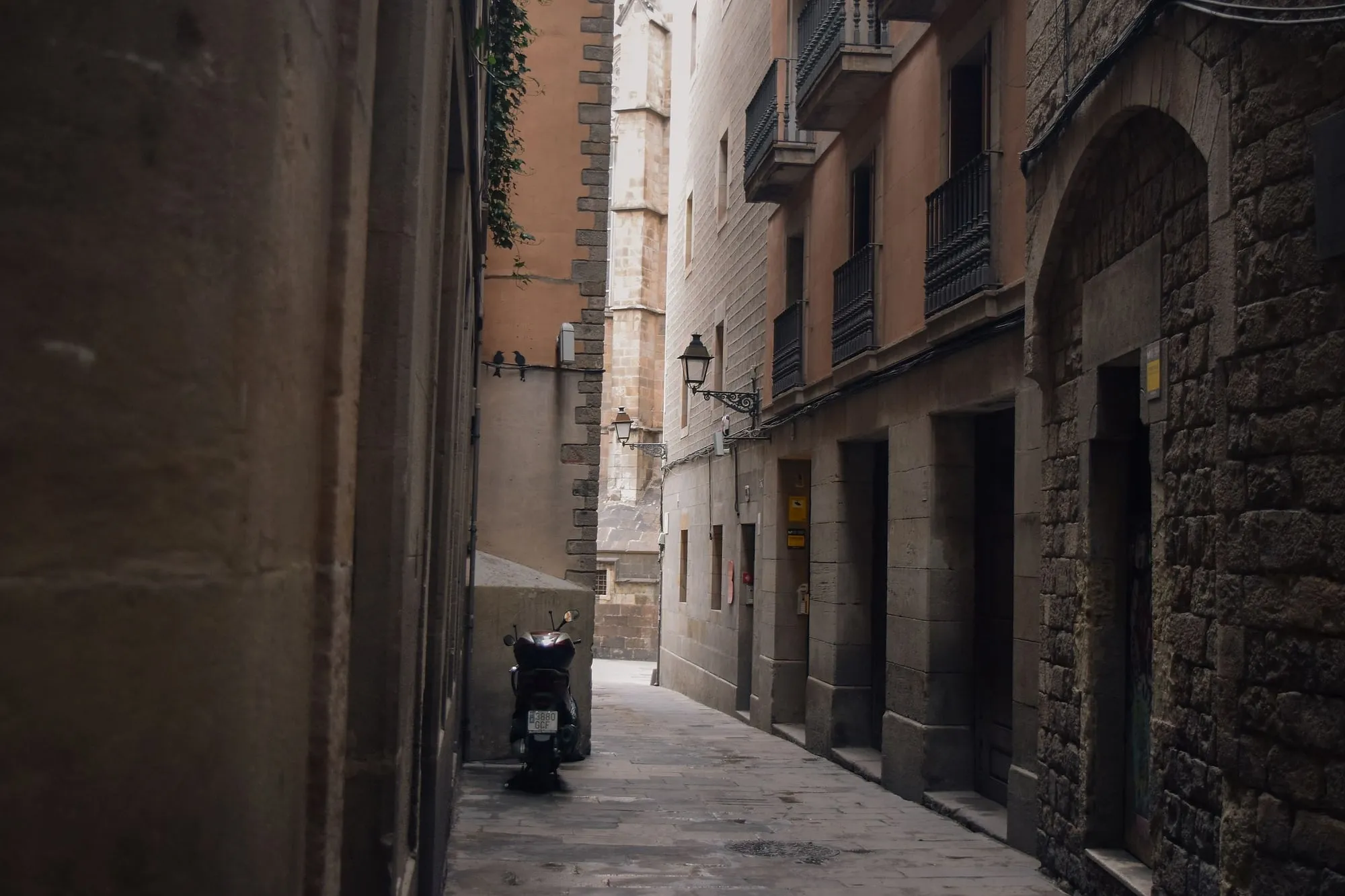
The Gothic Quarter: a neighbourhood that invented itself
Barcelona's most photographed bridge dates from 1928.
- How long it lasts
- 2 h
- Runs in
- EN · ES · CA
- Price
- 15 €
Never more than 20 people
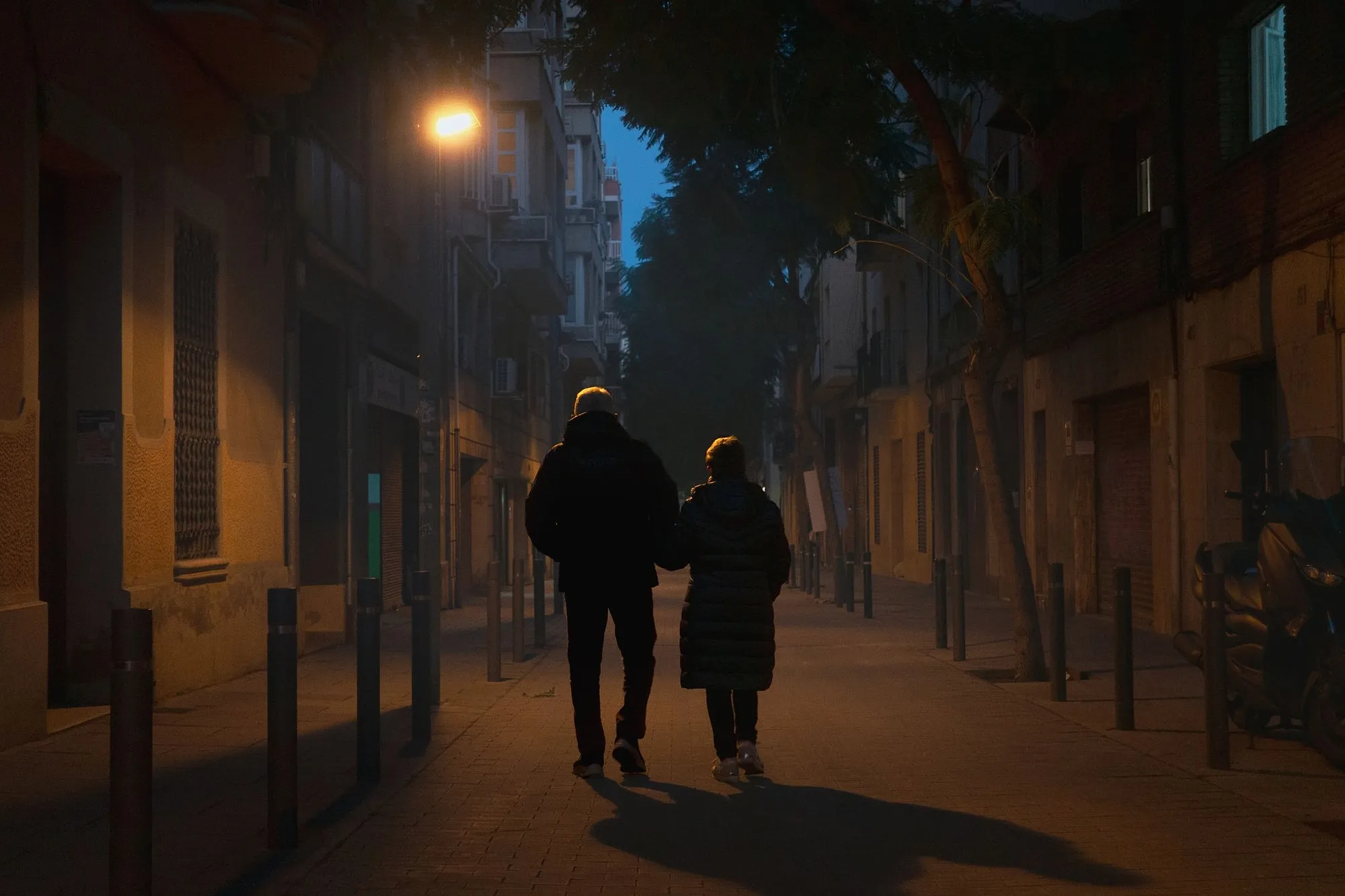
The Gothic Quarter after dark
By day it is a crowded stage set. By night it is a narrow city.
- How long it lasts
- 2 h
- Runs in
- EN · ES · CA
- Price
- 18 €
Never more than 20 people
More in the journal
The Gothic Quarter
- One of these houses was taken apart and rebuilt somewhere else
- Last month the state declared one building on this street a site of democratic memory
- Barcelona has written down, to two decimal places, how much of this market is allowed to be a snack bar
- The Roman city is still there, and most of it is free to look at
- The city history museum has eighteen buildings and most visitors have been to one
- The ring roads are the wall, and the city dates the same wall twice, twelve years apart