
Barcelona
Two days in Barcelona, planned backwards from the tickets
Two days is where the planning actually gets hard. One day has no choices in it. Three days has room for mistakes. Two days has two timed tickets, two ends of the city, and no slack.
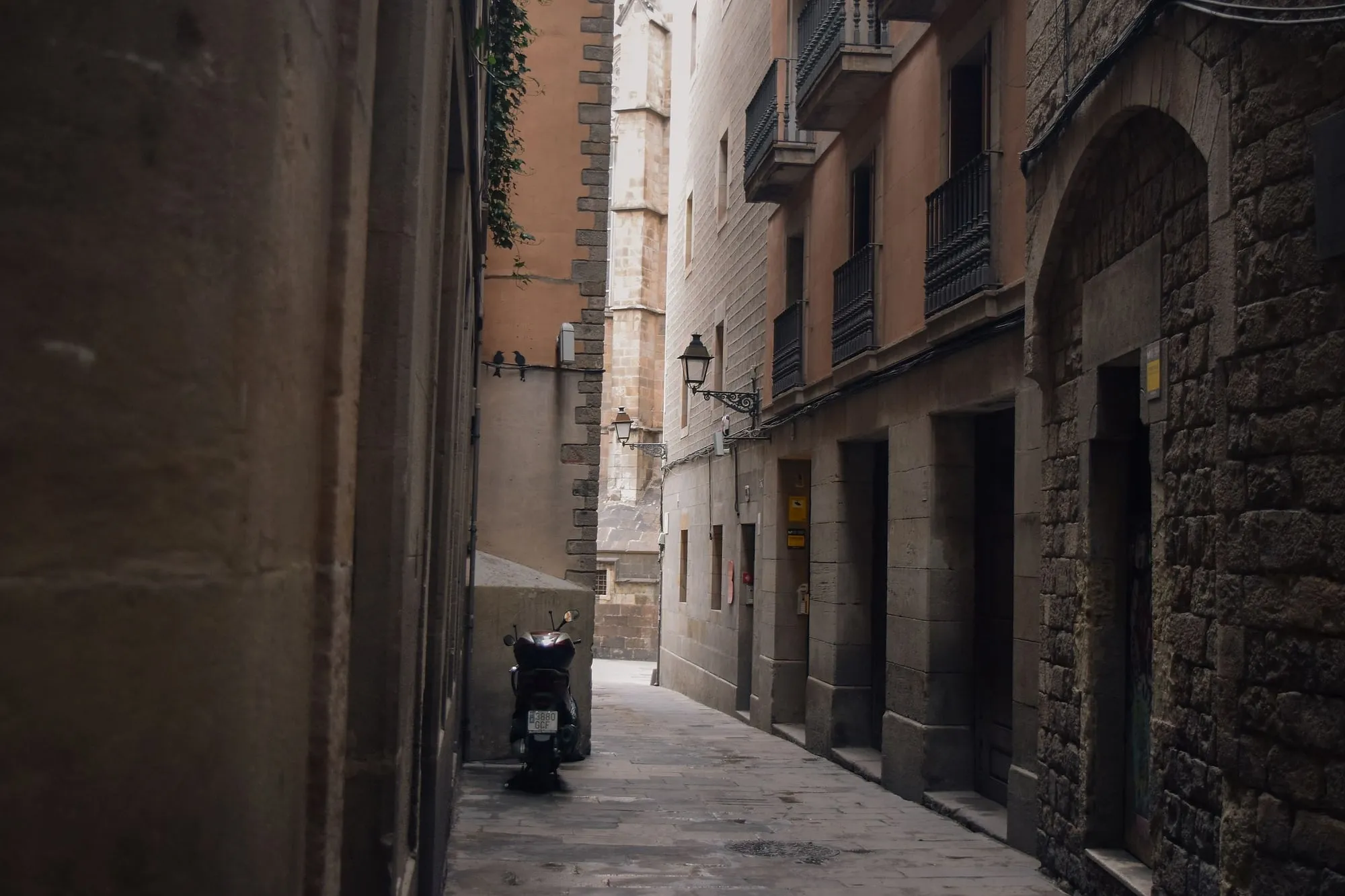
Two days in Barcelona is a scheduling problem, not a sightseeing problem. Written down as a procedure, it goes like this.
The constraints
Two timed entries. The Sagrada Família sells fixed entry times. So does the ticketed part of Park Güell. A timed entry is not a plan item, it is a deadline: it fixes where you must be at a given hour and it makes everything before it provisional.
Two ends of the city. Barcelona’s sights are not on a loop. The basilica and Park Güell are inland and uphill; the old city, La Rambla and the seafront are down at the port. Montjuïc is a hill on the western side and belongs to neither group. Any day that touches both poles spends its middle hours in transit.
One thing that only exists after dark. The old city empties out in the evening, and the difference between those streets at five in the afternoon and at ten at night is the single biggest change of scene in the city. A two-day plan that puts both evenings back at the hotel throws that away for free.
The procedure
Step 1 — Book the two entries before anything else, on different days, both in the morning. Not the same day. Not the afternoon. The morning slot leaves the whole rest of the day open behind it; the afternoon slot cuts the day in half and wastes the hours in front of it.
Step 2 — Give each day one pole. Day one is inland: the basilica, the Eixample grid, Passeig de Gràcia. Day two is the port end: the old city, the market streets, the seafront. If you have chosen Park Güell, it goes at the top of day one, before the basilica or after it, and nothing else goes on that day except walking.
Step 3 — Fill outward from the anchor on foot. Once the anchor is fixed, the rest of the day is whatever is within walking distance of it, in whatever order you like. This is not laziness. It is what keeps the plan from collapsing when one thing takes longer than expected, which one thing always does.
Step 4 — Leave one evening completely unplanned. Two days generates enough fatigue that a fully scheduled second evening gets abandoned anyway. Deciding in advance which evening is the free one means you abandon it deliberately instead of at nine o’clock with a reservation you cannot cancel.
The two days, written out
Day one, inland. Sagrada Família on your slot. Walk down Avinguda Gaudí afterwards rather than getting straight on the metro — it is a pedestrian street and it ends at the modernista hospital complex that Domènech i Montaner built at the far end of it, which is a whole second building to look at and is not on anybody’s one-day list. Then the Eixample on foot to Passeig de Gràcia, façades from the pavement, and Plaça de Catalunya at the end of it. If Park Güell is in your plan, it replaces the Passeig de Gràcia half and you will not have time for both.
Day two, the port end. Start in the Gothic Quarter early, before the coach groups. Cathedral, the Roman wall, Plaça del Rei, and the narrow streets in between, which are the point — in an order that does not double back, that is what to see in the Gothic Quarter, and what is genuinely ancient in it is the Roman city. Then east into Born or west into the Raval, depending on whether you want museums or market streets. Down to the seafront in the late afternoon. And back up into the old city after dinner, because that is the second version of it and it is free.
The four ways this goes wrong
- Both entries on day one. Now day two has no anchor and turns into a wander that feels like the trip is already over.
- An afternoon entry slot. Half a day spent staying near the basilica so as not to miss it.
- Adding Montjuïc. It is a genuine half day — the castle, the 1929 Expo buildings and the Fossar de la Pedrera — and squeezing it into a two-day trip means doing it badly and losing the old city.
- Booking a long guided tour on day two. A half-day tour on a two-day trip eats a quarter of the whole visit. If you want a guide on two days, the useful ones are the short ones near your anchor.
What two days does not buy you
Any sense of what Barcelona is like when it is not being looked at. Everything in the plan above is on the observatory’s list of measured areas; the survey that produces that list does not even measure Gràcia as a visited area, which tells you where the ordinary city starts. If you have a third day, that is what it is for, and it is set out in three days in Barcelona.
If you want a guide inside two days
Keep it short and keep it next to your anchor. The ninety-minute Gaudí walk happens on the pavement around the Sagrada Família and needs no ticket of its own, so it sits either side of your entry slot without costing you a second deadline. On day two, the Gothic Quarter after dark runs on Friday and Saturday nights and uses the evening you were going to leave empty anyway.
Whatever you do with the inside, do the outside properly: it is free, it takes forty minutes, and the order to do it in is how to look at the Sagrada Família from the street.
Which format of tour suits you at all is a separate question, and there is a longer answer in how to choose a Barcelona walking tour — including the case for the free ones, which is stronger than an operator is supposed to admit.
If one of those two days is going to be the Gaudí day, the version that does not collapse into transport — and the one booking not to make — is in Gaudí in one day.
On the two bookings: only one of them is actually required, and the official pages say so themselves — what has to be booked in advance. On the moving about, the short version is that most journeys inside this city are not made on transport at all: getting around Barcelona.
Where this comes from
- Informe de resultats: perfil i hàbits dels turistes a Barcelona ciutat 2025 (PDF, table on p. 73)Observatori del Turisme a BarcelonaThe list of areas the survey measures, and the fact that Gràcia is not one of them.
Everything above that carries a date, a figure or a name is checked against these before it is published. Where we could not find a source, the page says so.
Quick answers
- Which two tickets should I book for a two-day trip?
- The Sagrada Família, and — if you want it — Park Güell's ticketed area. Both run on timed entry and both are bought from their own official sites. Book them on different days and both in the morning. Everything else in two days is either street or something you can walk into on the day.
- Should Park Güell and the Sagrada Família be on the same day?
- No. They are the two entries with fixed hours and they are not close to each other. Putting them on the same day means spending the middle of that day getting between them with a deadline at each end, and it leaves the other day with no anchor at all.
- Is two days enough for Barcelona?
- Two days covers the things almost every visitor sees and leaves nothing over. It is enough to have been to Barcelona and not enough to have any sense of it, which is a fair trade if two days is what you have. The third day is the one that changes the trip, not the second.
- How big are guided groups allowed to be?
- Inside the Gothic Quarter, El Raval, Sant Pere–Santa Caterina–la Ribera and la Barceloneta, a city by-law caps guided groups at twenty people. Park Güell sets its own range of eight to thirty and the Sagrada Família ten to thirty, and inside both of those a guide has to hold a Generalitat licence. Out in Gràcia there is no legal cap at all.
- Do I need to buy a travel card for two days?
- Work out your day plan first. If each day is anchored at one end of the city, most of the walking is inside a neighbourhood and you may only need a handful of single journeys. Fare products and prices change; check the transport authority's own site rather than a blog, including this one.
The tours this piece is about
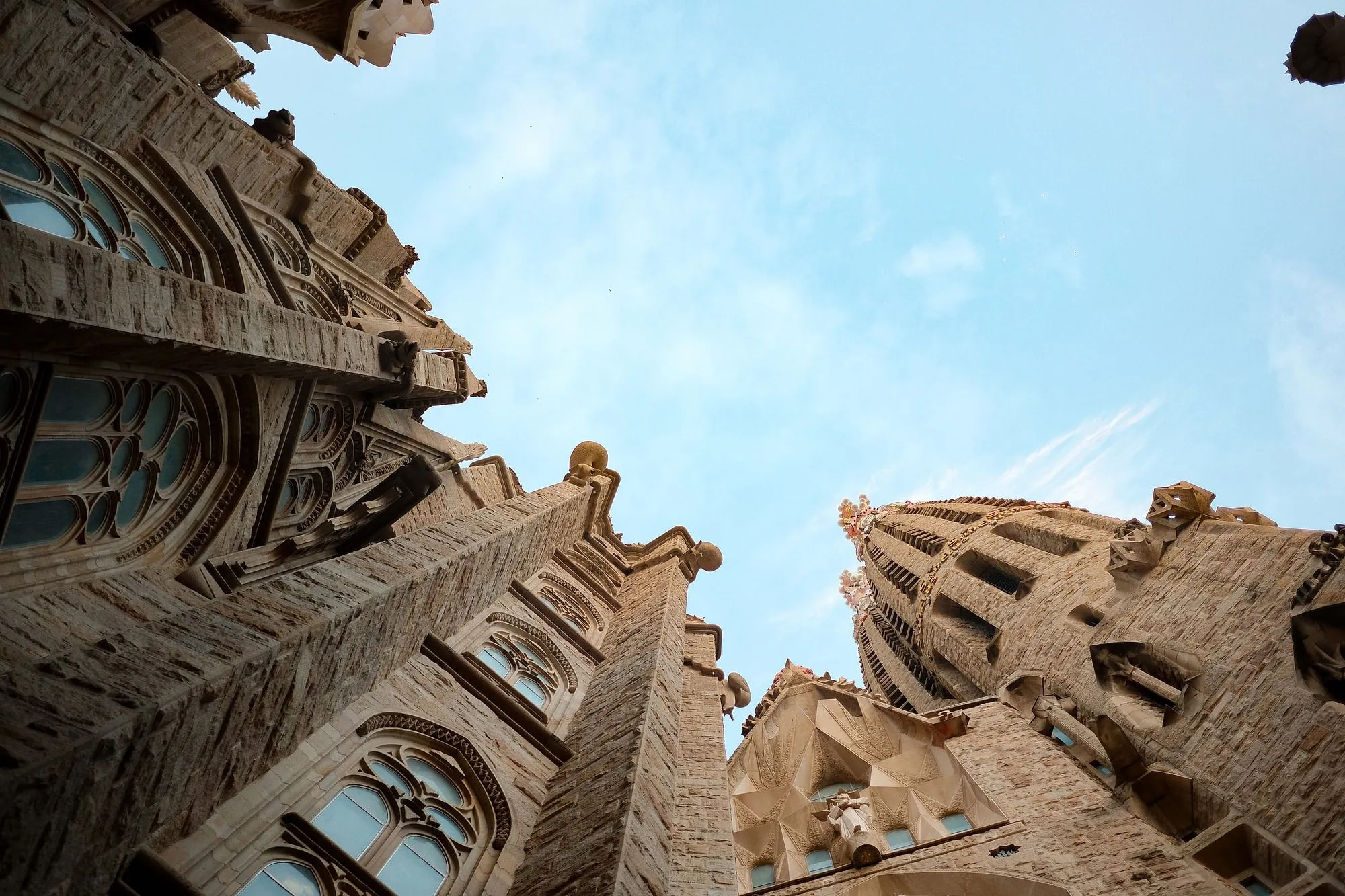
Gaudí comes alive
You will recognise the guide because he will be Antoni Gaudí.
- How long it lasts
- 1 h 30
- Runs in
- EN · ES · CA
- Price
- 30 €
Never more than 15 people
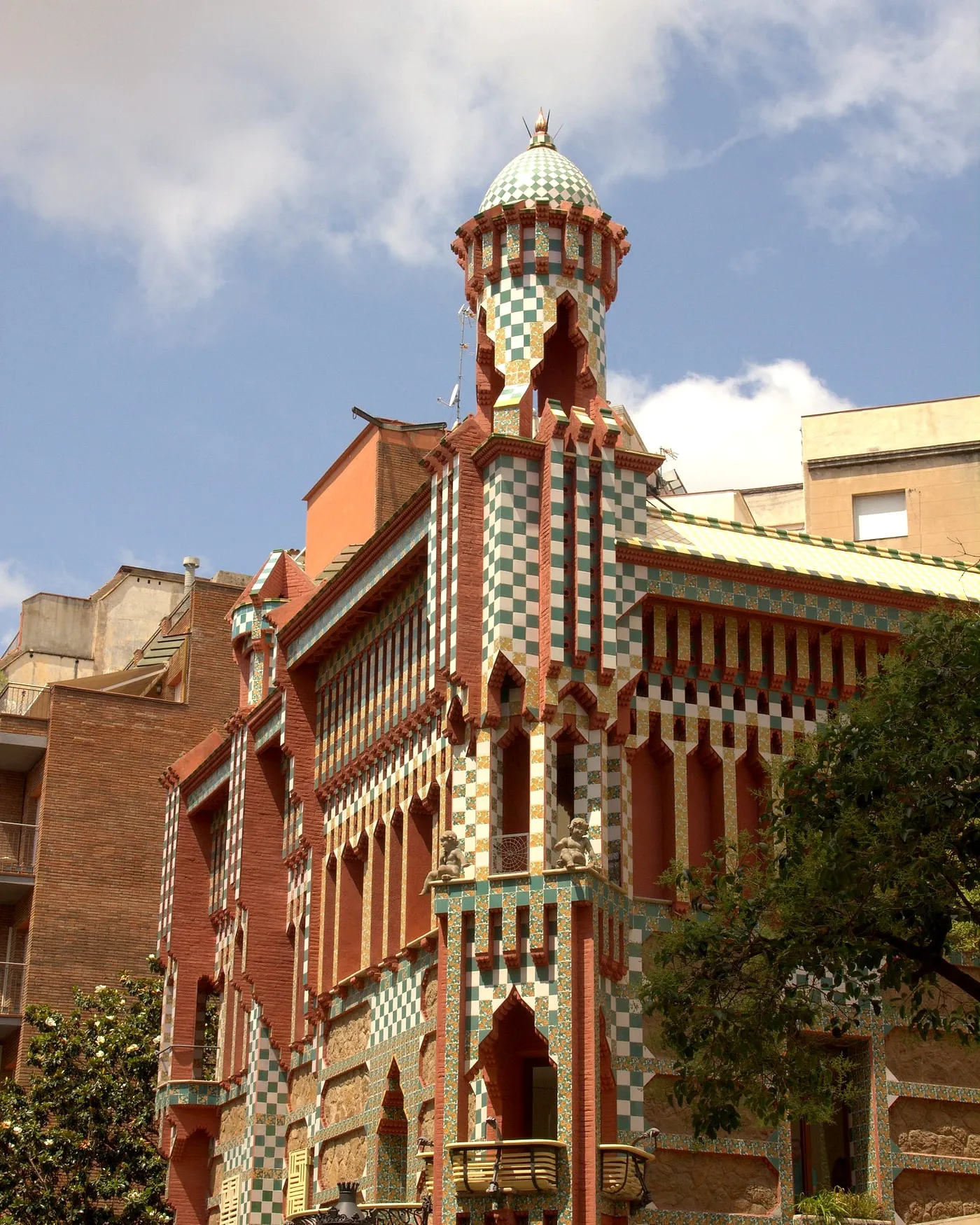
Gràcia: the town that rang the bell
A bell, a bombardment, and a vermouth at the end of it.
- How long it lasts
- 3 h
- Runs in
- EN · ES
- Price
- 36 €
Never more than 10 people
More in the journal
Planning your trip
- When to go to Barcelona, from the only two datasets that exist
- Barcelona rains about fifty-three days a year, and it does it all at once
- One day in Barcelona: the case for cramming, and why we argue with it
- Three days in Barcelona, and what the third one is actually like
- A Barcelona weekend, arranged around what only happens at weekends
- Barcelona with children: a short list, with the drawbacks attached