
Barcelona
Non-touristy Barcelona: a method, not a list of places
Barcelona measures, every year, which parts of the city its visitors reach. That measurement is published. Read it backwards and you have a better answer than any list of hidden gems, including the ones we would write.
Barcelona’s tourism observatory runs an annual survey asking visitors which areas of the city they actually reached. In the 2025 edition, from a sample of a couple of thousand people, the results were:
| Area | Reached by |
|---|---|
| Sagrada Família | 80.6 % |
| Plaça de Catalunya and Passeig de Gràcia | 78.8 % |
| La Rambla | 77.2 % |
| The seafront | 75.1 % |
| Barri Gòtic | 65.3 % |
| La Boqueria | 62.0 % |
| Montjuïc | 55.3 % |
| Park Güell | 49.4 % |
| Camp Nou | 21.5 % |
| Turó de la Rovira | 15.7 % |
Ten entries. That is the entire tourist Barcelona, and the city fits 8.3 million hotel visitors a year through it. Everything not in that table is the answer to the question, and the table is what makes the method work: you are not guessing which places are crowded, you are reading a measurement of it.
Three moves follow from it.
Move one: change the hour, not the place
The cheapest of the three and the one people skip.
The Barri Gòtic is on the list twice over — 65.3 % reach it and 77.2 % walk La Rambla beside it — and it is still nearly empty at nine in the morning and again after about ten at night. Those are the same streets. The coach groups have a timetable and it is not yours.
Travelling forty minutes to a neighbourhood with less in it, in order to avoid a crowd that will have dispersed by dinner, is a bad trade. Shifting three hours costs nothing and keeps you next to everything else you came for.
Move two: go one contour line up, or one district out
The measured list is a strip. It runs from the hill down to the sea through the middle of the city, and it is narrow. You do not need to go far to leave it, and in most directions nobody is counting once you have.
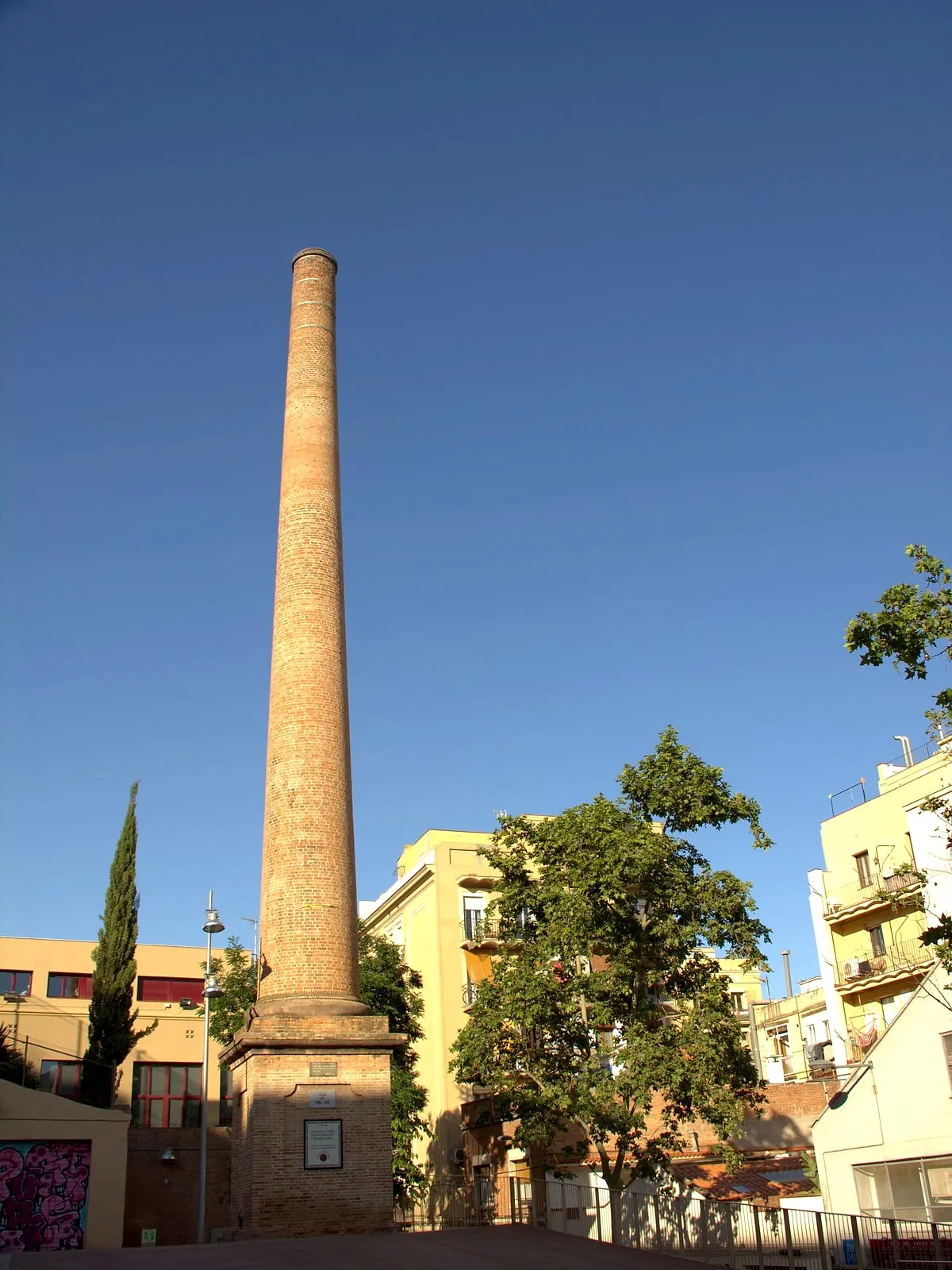
Uphill from Passeig de Gràcia — where 78.8 % of visitors go — the street stops and Gràcia begins, and Gràcia does not appear on the list at all. Not low: absent. The observatory measures the Turó de la Rovira and the Sant Antoni market as visited areas and does not measure Gràcia. It was a separate municipality with its own mayor until Barcelona annexed it by royal decree on 20 April 1897, and it still keeps its own squares, its own August festival and a single brick factory chimney left standing after everything around it came down. What is there, street by street, is in what to see in Gràcia; why the streets take that shape at all is in the street plan; and the hour you turn up decides most of the experience, which is a day in Gràcia.
We have an obvious interest in that paragraph, because we run a tour there. Weigh it accordingly — and note that we have also written down the case for skipping Gràcia entirely, which is stronger than an operator is supposed to admit.
Move three: pick the thing that is not designed for you
The parts of Barcelona that feel least touristy are usually not sights at all. A neighbourhood market at eleven on a weekday — the covered iron one in Gràcia has its own page. A square at seven in the evening, when it belongs to local children, footballs and dogs. Vermouth on a Sunday before lunch — a short glass, ice, an olive, a splash of soda, from a tapped barrel — which is a ritual with a fixed hour and is described in vermouth in Gràcia.
The unglamorous version of the same move: a place with a heavy history that visitors avoid because it is not enjoyable. The Fossar de la Pedrera on Montjuïc is a worked-out quarry that served as a common grave until 1979, holding the destitute, the dead of the air raids on the city, and the more than 1,700 people executed in Barcelona between 1939 and 1952. Lluís Companys has lain there since 1985, having been shot in the castle moat on 15 October 1940. Montjuïc is on the list at 55.3 %; that corner of it is not busy.
Why this page has no list of bar names
Because a list is destroyed by being read. A small neighbourhood place named in enough articles turns into a place full of visitors holding up phones, which is precisely the thing the reader was trying to escape, and the people who were there first lose it. That is not a hypothetical: it is the ordinary life cycle of every “hidden gem” ever published.
A method survives publication. Six names do not.
One concrete method, since this page promised one rather than a list: the city history museum runs eighteen spaces and six of them are free, most of them in neighbourhoods this table does not measure — the full set is here.
What it costs, said plainly
Going off the measured list means longer journeys, fewer things per hour, and a genuine chance that the place is closed, because ordinary neighbourhoods keep ordinary hours. It also means missing things that are famous for good reasons — the crowd at the Sagrada Família is not a mistake by 80.6 % of visitors.
If the reason you are reading this is that you dislike organised sightseeing generally, there is a companion page written from the other side of the counter: everything you hate about guided tours is real, including the parts we are responsible for.
One place that passes the test on every axis, and where we sell nothing: the unfinished Gaudí crypt at the Colònia Güell, twenty minutes out of Plaça Espanya on the FGC. The reasons to go and the reasons not to are in the Colònia Güell crypt, drawbacks first.
The sensible version is a mixed trip: the list for part of it, the method for the rest. How that divides across a short visit is set out in three days in Barcelona, and what it looks like when you have already done the list once is in coming back to Barcelona a second time.
Three more that qualify and are free: the archaeology at the back of the Santa Caterina market, the squares of the Gothic Quarter that nobody photographs, and Poble-sec, at the foot of Montjuïc.
The fourth move is the calendar, and it is the one nobody makes: when to go, where the city’s own survey records that 57.6 % of residents now avoid some part of Barcelona because of tourism.
Where this comes from
- Informe de resultats: perfil i hàbits dels turistes a Barcelona ciutat 2025 (PDF, table on p. 73)Observatori del Turisme a BarcelonaThe table of places visited, from a sample of 2,023 people: Sagrada Família 80.6 %, Plaça de Catalunya and Passeig de Gràcia 78.8 %, La Rambla 77.2 %, the seafront 75.1 %, the Barri Gòtic 65.3 %, the Boqueria 62.0 %, Montjuïc 55.3 %, Park Güell 49.4 %, the Camp Nou 21.5 %, the Sant Antoni market 21.0 %, the Turó de la Rovira 15.7 %. The Gràcia neighbourhood is not on it — the street named after it is.
- El Fossar de la PedreraCementiris de Barcelona · Ajuntament de BarcelonaVerbatim, in Catalan: «les més de 1700 persones -1.706 homes i 11 dones- executades pel règim franquista, a Barcelona, entre 1939 i 1952», together with people buried without resources and victims of the bombing of Barcelona of 1936-1939; and that the common grave functioned as such until 1979.
Everything above that carries a date, a figure or a name is checked against these before it is published. Where we could not find a source, the page says so.
Quick answers
- What are the least touristy areas of Barcelona?
- The honest answer is anywhere the city's visitor survey does not measure, which is most of it. The survey names ten areas; Gràcia is not among them, and neither is Sants, Poblenou, Sant Andreu, Horta or the whole of the upper city. That is not a recommendation of each one, it is a description of where the circuit ends.
- How do I avoid the crowds in Barcelona?
- Change the hour before you change the place. The Gothic Quarter at nine in the morning and at ten at night is quiet and it is the same neighbourhood that is unbearable at noon. Moving in time is free, keeps you near everything, and works better than travelling forty minutes to somewhere with less to see.
- Is Gràcia touristy?
- Less than anywhere on the visitor circuit, and we have an obvious interest in saying so, because we sell a walking tour there. What can be said without spin is that the city's own survey does not list Gràcia as a visited area at all, while it does list the Turó de la Rovira and the Sant Antoni market.
- Are hidden-gem lists any good?
- They stop being true when they work. A small bar named in enough articles becomes a bar full of people holding phones, which is the exact thing the reader was trying to avoid. A method survives publication; a list of six names does not.
- What does going off the tourist trail cost you?
- Travel time, fewer things to look at per hour, and a real chance that whatever you went for is shut. Ordinary neighbourhoods keep ordinary hours and do not staff themselves for visitors. That is the trade, and it is worth making for part of a trip rather than for all of it.
The tours this piece is about
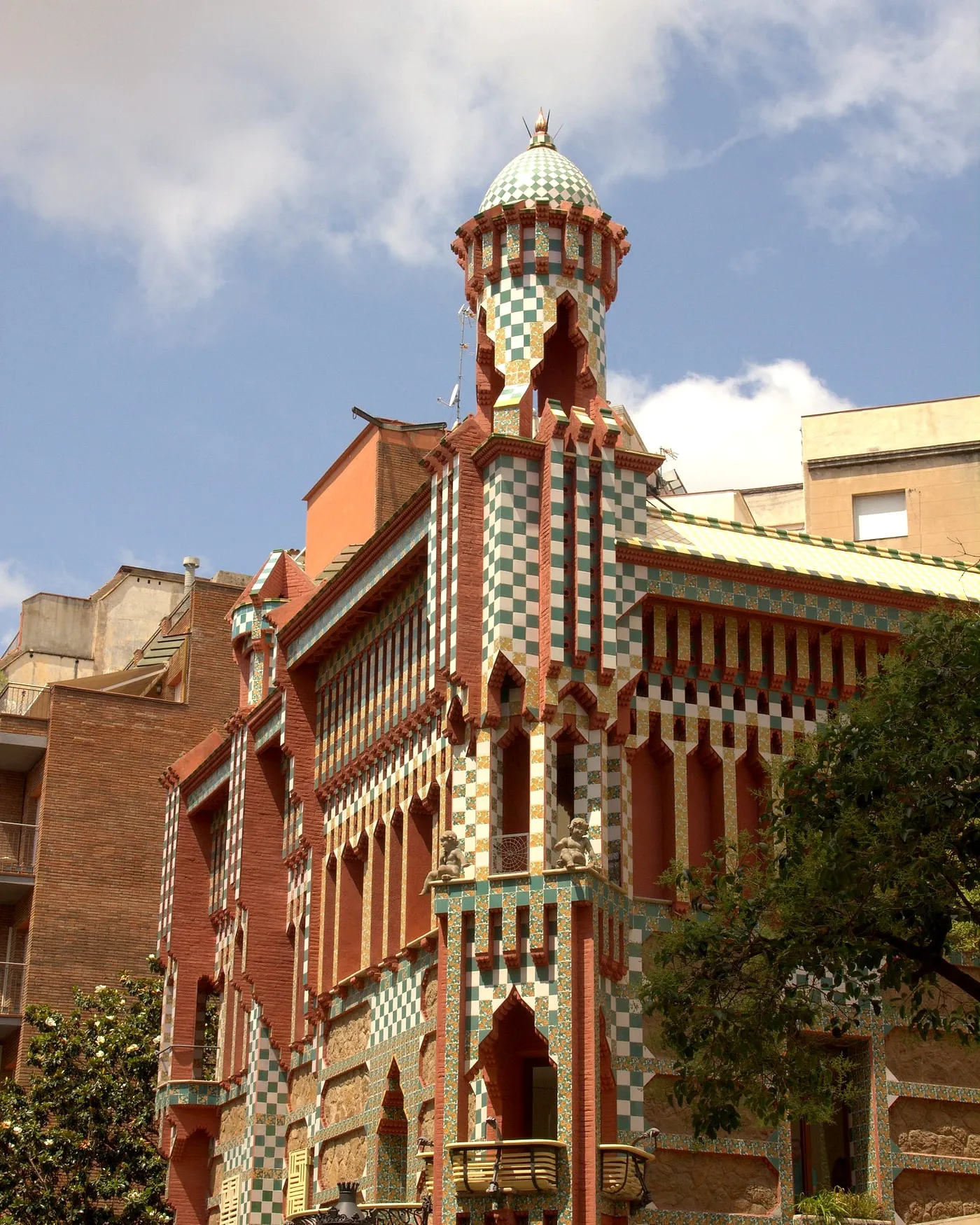
Gràcia: the town that rang the bell
A bell, a bombardment, and a vermouth at the end of it.
- How long it lasts
- 3 h
- Runs in
- EN · ES
- Price
- 36 €
Never more than 10 people
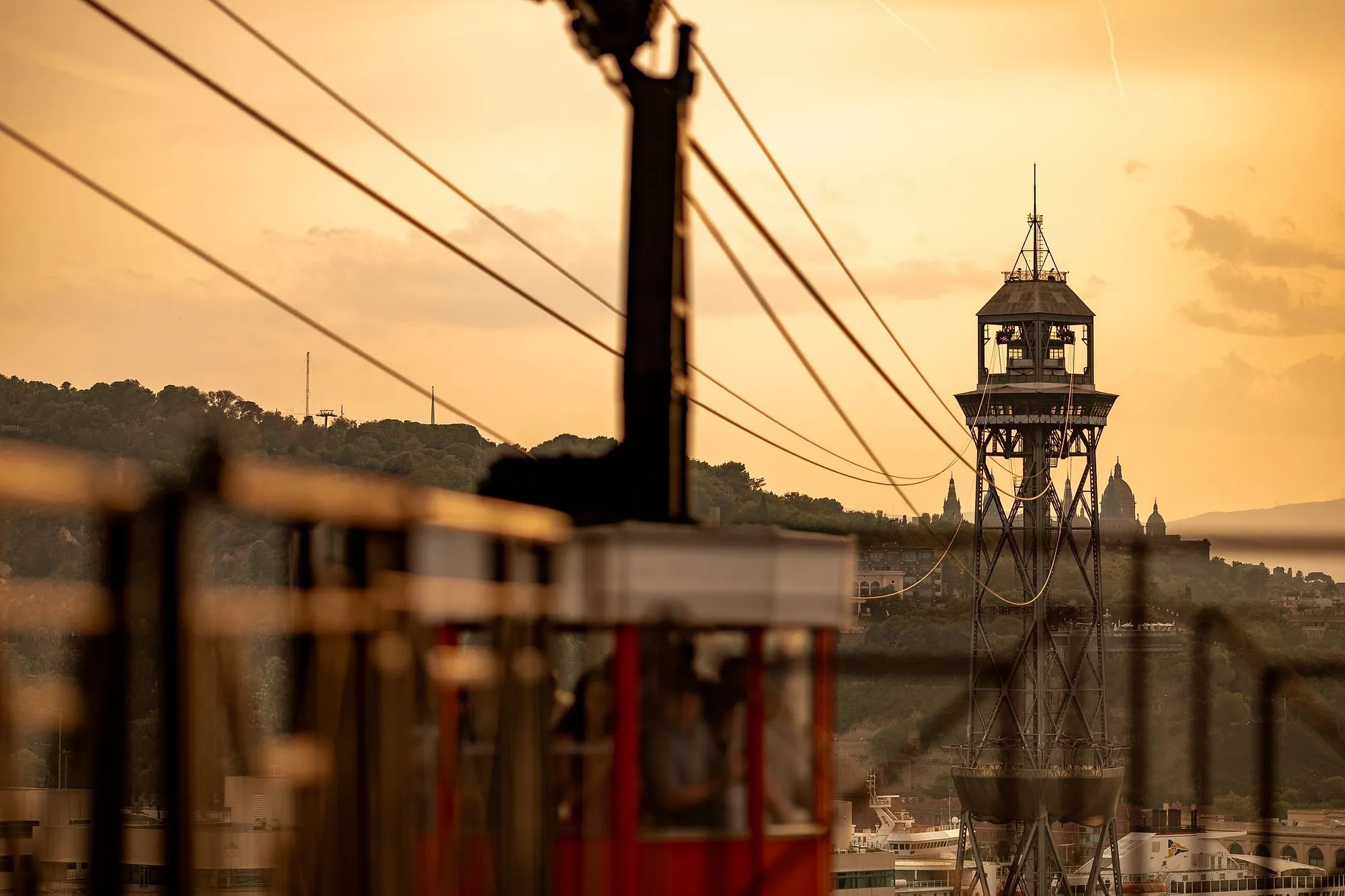
Montjuïc: the hill with two names
Nobody agrees where the name comes from. That is where it starts.
- How long it lasts
- 2 h 30
- Runs in
- EN · ES · CA
- Price
- 15 €
Never more than 20 people
More in the journal
Planning your trip
- Three days in Barcelona, and what the third one is actually like
- A Barcelona weekend, arranged around what only happens at weekends
- Barcelona with children: a short list, with the drawbacks attached
- Coming back to Barcelona: what changes on a second visit
- Getting around Barcelona: six trips in ten are made without a vehicle
- What actually has to be booked in advance in Barcelona — it is a shorter list than you think